
Top 15 Things to Do in Rome: Travel Guide
Planning a trip to Rome in 2026 can feel overwhelming because this is not a city built around just a few postcard landmarks. Rome is layered. Ancient imperial ruins, Baroque piazzas, Renaissance art, papal history, and everyday Roman life all overlap in a way that makes the city feel dense, complex, and incredibly rewarding. That is exactly why a good Rome itinerary is not just about choosing the most famous places. It is about understanding what each stop offers, how much time it deserves, and how to combine major attractions with the quieter moments that make the city unforgettable.
This guide ranks the top 15 things to do in Rome, but it does more than list them. For each place, it explains the historical importance, what makes the experience unique, whether you should book ahead, the current cost or cost level, and how to place it intelligently inside a real itinerary. The goal is simple: help first-time visitors make better choices, avoid common mistakes, and experience Rome with more depth and less friction.
Plan your trip more efficiently:
Accommodation: Check hotel deals in Rome
Tours and Tickets: Book Rome tours and tickets
15. Via del Babuino
Via del Babuino is not one of Rome’s must-book monuments, but it is one of the most elegant transitions in the city. Running between Piazza del Popolo and Piazza di Spagna, it forms part of the historic urban axis of central Rome and still feels like a refined promenade rather than just a shopping street. The street takes its name from the curious “Il Babuino” statue nearby and remains closely tied to the monumental layout of Piazza del Popolo and the polished, high-end face of Rome.
Its real value is experiential. This is where you slow down between bigger sights. The differential here is not a single masterpiece, but the atmosphere: noble façades, luxury boutiques, art galleries, refined hotels, and that distinctly Roman feeling of walking through a place where elegance is part of daily life.
The best time to walk Via del Babuino is in the late afternoon, when the light softens the architecture and the street feels more atmospheric. It is also one of the easiest places to understand how Rome works beyond its headline attractions: as a city of transitions, perspectives, and beautiful urban sequences.
Booking: None
Cost: Free
Best way to fit it into your itinerary: Pair it with Piazza del Popolo, Pincio Terrace, Piazza di Spagna, or a historic-center walking route.
14. Villa Borghese and Galleria Borghese
Villa Borghese offers one of the best contrasts in Rome. After hours of churches, ruins, traffic, and dense historic streets, this large green park feels like a release. Originally developed in the 17th century as a private estate for the Borghese family, it is now one of Rome’s most enjoyable public spaces, with tree-lined paths, gardens, viewpoints, and room to breathe.
Inside the park sits the Galleria Borghese, one of the finest museums in Rome. What makes it special is not the size of the collection, but the quality of the experience. Compared with larger and more exhausting museums, Galleria Borghese feels curated, focused, and manageable. Instead of endless galleries, you get a concentrated series of masterpieces, especially Bernini’s sculptures and Caravaggio’s paintings.
This is one of the best art experiences in Rome because it rewards attention. Bernini’s sculptures are especially extraordinary in person, with movement and emotion carved so vividly that they almost seem alive.
Booking: Yes, essential. Timed reservation is required.
Cost: Paid museum entry. Prices vary depending on exhibitions, but this is a standard paid major museum.
Best way to fit it into your itinerary: Plan it as a half-day. Combine it with Villa Borghese, Piazza del Popolo, the Pincio Terrace, or Via del Babuino.
Book tickets for Galleria Borghese
13. Trevi Fountain
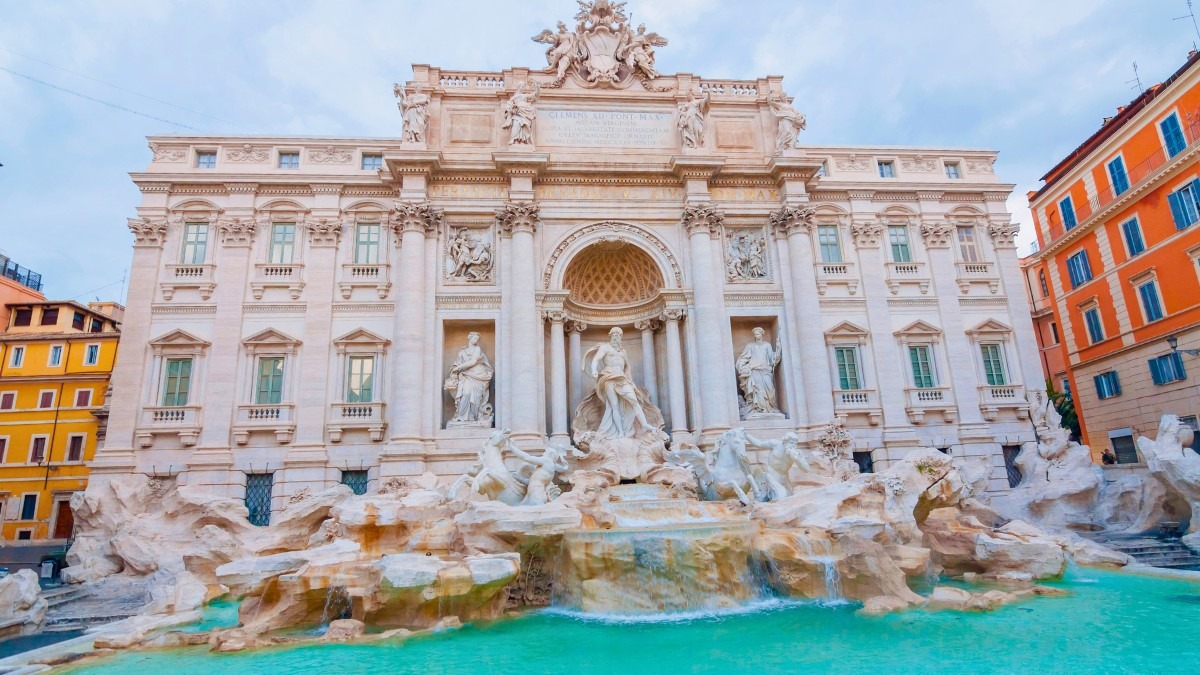
The Trevi Fountain is one of the most famous fountains in the world and one of the most dramatic examples of Roman Baroque design. What makes it so powerful is not just the sculpture itself, but the way it appears. You usually reach it through relatively narrow streets, and then suddenly the space opens and the monument reveals itself almost all at once. That theatrical arrival is part of the experience.
Completed in the 18th century, the fountain is centered around Oceanus and framed by an elaborate sculptural façade. It is visually overwhelming in the best sense: energetic, decorative, and larger than most visitors expect.
The coin-toss tradition is also part of what makes the stop memorable. For many travelers, this is not just a sightseeing moment but a ritual. At the same time, the reality of visiting Trevi today is more regulated than it used to be, especially in peak periods, which means planning the timing matters more than ever.
Trevi is best very early in the morning or later at night. At those times, the atmosphere becomes more cinematic and the visual impact is much stronger than during the busiest hours.
Booking: Access to the area closest to the fountain is controlled during certain hours. Tickets can be purchased online or on-site.
Cost: There is a €2 fee to enter the restricted area right next to the fountain. Viewing the fountain from the square, taking photos, and walking around it remain free.
Best way to fit it into your itinerary: Combine it with the Pantheon, Piazza di Spagna, Via del Corso, or a classic historic-center walking day.
12. Piazza di Spagna
Piazza di Spagna is one of the most iconic and photogenic squares in Rome, best known for the Spanish Steps and the Fontana della Barcaccia at their base. What makes the space so compelling is the way it brings together urban beauty, constant movement, and a sense of grandeur into one of the city’s most recognizable scenes.
The Spanish Steps rise from the square to Trinità dei Monti, transforming a simple climb into a striking visual journey. At the foot of the steps, the Barcaccia Fountain—designed by Gian Lorenzo Bernini—adds a distinct historical layer, its boat-shaped form inspired by the flooding of the Tiber River.
What makes Piazza di Spagna different from many other attractions is its urban elegance. This is not a museum or a ruin, but a piece of Rome’s identity. It is as much about atmosphere, fashion, and city life as it is about history.
Because of overtourism and preservation rules, travelers should know that sitting on the steps is restricted. For the best experience, come early in the morning or around sunset, when the square feels more pleasant and less congested.
Booking: None
Cost: Free
Best way to fit it into your itinerary: Combine it with Via del Babuino, Trevi Fountain, Via Condotti, and the surrounding historic-center streets.
11. Castel Sant’Angelo
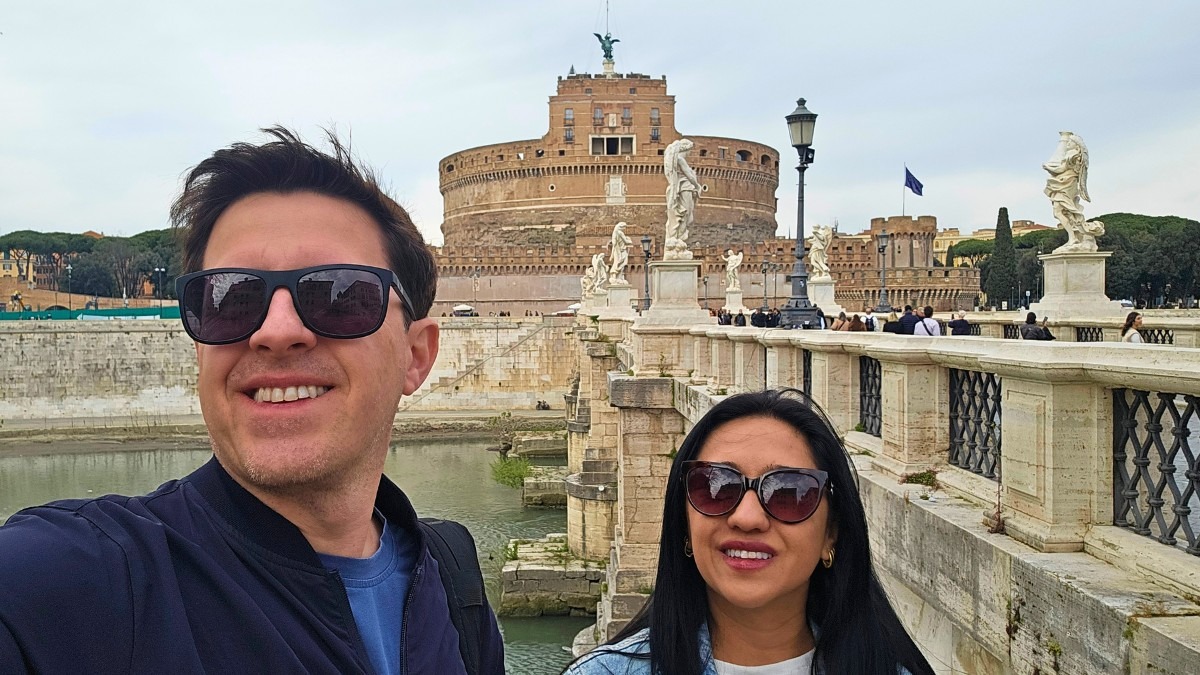
This Castel is one of the most historically layered monuments in Rome. Built originally as the mausoleum of Emperor Hadrian in the 2nd century, it later became a fortress, papal refuge, prison, and museum. That transformation is exactly what makes it so compelling.
Unlike sites that belong clearly to one historical period, Castel Sant’Angelo tells multiple stories at once. You are not only visiting an ancient structure, but also a medieval and papal stronghold. That layered identity gives the monument a different feel from Rome’s purely classical sites.
The experience begins before you even enter. Crossing Ponte Sant’Angelo, lined with angel statues, creates one of the most beautiful approaches in Rome. Once inside, the museum route reveals different phases of the structure’s life, but for many visitors the real highlight is the panoramic terrace. The view from the top is among the best in the city, especially because it places the Vatican and the historic center in the same frame.
Booking: Recommended, especially in busy periods
Cost: Paid museum entry
Best way to fit it into your itinerary: Combine it with St. Peter’s Basilica, the Vatican area, Piazza Navona, or a river walk.
Book tickets for Castel Sant’Angelo
10. Piazza Navona
Piazza Navona is one of the most vibrant and theatrical squares in Rome. Built over the site of the ancient Stadium of Domitian, it preserves the elongated shape of the original arena while expressing the grandeur of Baroque Rome.
Its main visual centerpiece is Bernini’s Fountain of the Four Rivers, one of the city’s most famous fountains, surrounded by churches, palaces, and lively street life. But Piazza Navona is not just about architectural beauty. It is about energy. It is one of the best places in Rome to feel the city functioning as a public stage.
Artists, performers, cafés, and constant pedestrian movement give the square a living quality that changes throughout the day. In the evening, the lighting adds another layer of beauty, making the façades and fountains feel even more dramatic.
Restaurants directly on the square are often more expensive, so travelers looking for a better value meal should walk into the surrounding streets.
Booking: None
Cost: Free
Best way to fit it into your itinerary: Combine it with the Pantheon, Campo de’ Fiori, Castel Sant’Angelo, or an evening walk through the historic center.
9. Trastevere
Trastevere offers a very different side of Rome. While the city’s monumental center is defined by major landmarks and dense sightseeing, Trastevere feels more social, atmospheric, and lived-in. Its narrow streets, ivy-covered buildings, busy trattorias, and evening energy make it one of the most enjoyable neighborhoods in Rome.
The differential here is mood. Trastevere is not mainly about a single must-see monument, but about the experience of being there. It is where many travelers feel Rome becoming less formal and more intimate.
The neighborhood is especially known for its food scene. Traditional Roman dishes such as Carbonara, Amatriciana, and Cacio e Pepe are easy to find here, although the best strategy is still to go a little beyond the most crowded restaurant clusters.
Trastevere is best explored in the evening, when the streets become busier, the restaurants fill up, and the atmosphere becomes more alive. Still, it also works beautifully in the early morning if you want to see it in a quieter and more local state.
Booking: None for the neighborhood itself; recommended for popular restaurants
Cost: Free to explore
Best way to fit it into your itinerary: Perfect for dinner, sunset wandering, or the second half of a day after Vatican or historic-center sightseeing.
8. Piazza del Popolo and Pincio Terrace
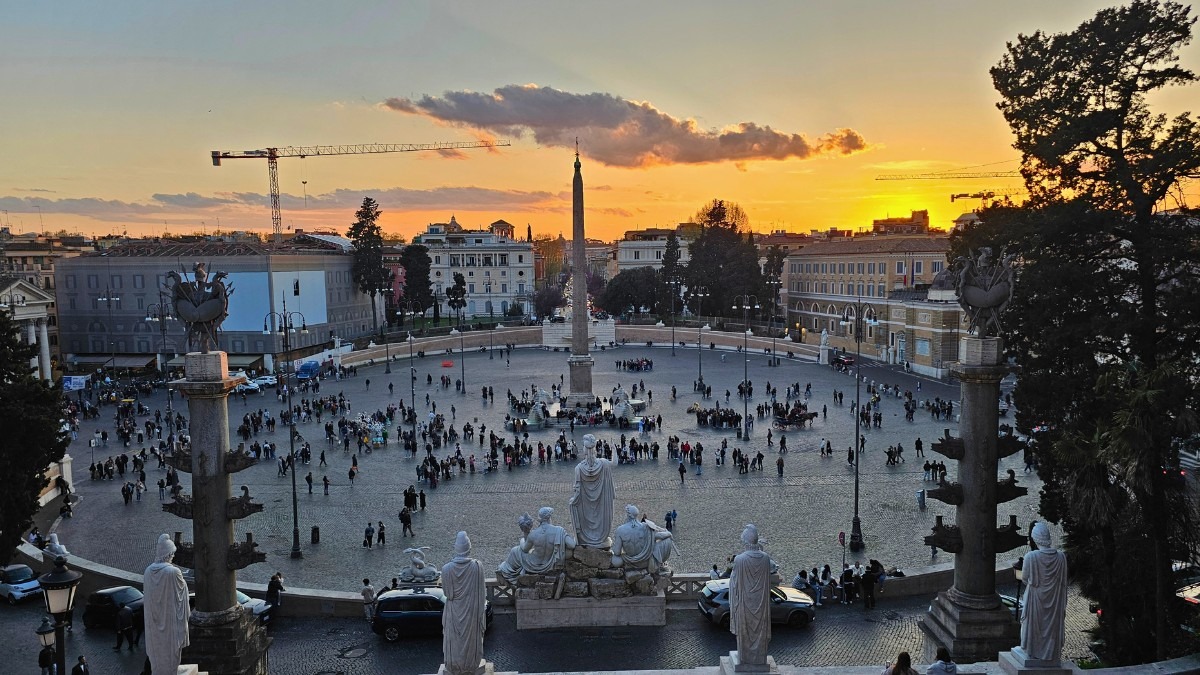
It’s one of the grand gateways of Rome. The square itself is monumental, elegant, and historically important, with its obelisk, twin churches, and major streets radiating outward into the city. But the real highlight for many travelers is the Pincio Terrace above it.
The terrace offers one of the most rewarding panoramic views in Rome, especially for understanding the city as a whole. From here, rooftops, domes, trees, and distant landmarks stretch out in a way that helps you see Rome not just as isolated attractions, but as a complete urban landscape.
What makes this place special is perspective. So many Roman attractions immerse you inside history, but the Pincio lets you step back and see the city from above. Sunset is the classic time to visit, and for good reason, though it can get crowded.
Booking: None
Cost: Free
Best way to fit it into your itinerary: Combine it with Villa Borghese, Via del Babuino, Piazza di Spagna, or a sunset stop before dinner.
7. Altare della Patria
The Altare della Patria, also known as the Vittoriano, is one of the most visually dominant monuments in central Rome. Dedicated to Victor Emmanuel II, the first king of unified Italy, it represents a very different historical layer from imperial or papal Rome. This is modern national Italy asserting itself in the heart of an ancient capital.
The structure is controversial in style, especially compared with the softer tones of the historic center, but that contrast is part of its identity. Its great strength for travelers is the panoramic experience. The elevator to the upper terrace provides one of the broadest and most useful views in Rome, including the Roman Forum, domes, rooftops, and much of the surrounding center.
Descending through the monument also reveals architectural details that many people overlook if they only admire it from outside.
Booking: Usually not essential far ahead, but useful if your day is tightly planned
Cost: Exterior and some areas are free; panoramic terrace and elevator access are paid
Best way to fit it into your itinerary: Combine it with Piazza Venezia, the Roman Forum area, Capitoline Hill, or as a viewpoint stop between ancient and central Rome.
Vittoriano with Rooftop & Palazzo Venezia Hosted Entry
6. Vatican Museums and Sistine Chapel
The Vatican Museums are one of the most important cultural complexes in the world and one of the most demanding visits in Rome. This is not a quick museum stop. It is an enormous sequence of galleries, sculptures, maps, frescoes, tapestries, and papal collections that eventually leads to the Sistine Chapel.
What makes the experience extraordinary is the accumulation. You are not just seeing isolated masterpieces, but moving through centuries of collecting, power, religion, and art until everything culminates in Michelangelo’s ceiling. That climax is one of the great moments of any trip to Rome.
At the same time, this is also one of the easiest places to get wrong. The museums are large, crowded, and potentially exhausting. A guided tour or at least a good audioguide can make a huge difference by helping you focus on what matters most instead of simply following the crowd.
This is one of the clearest cases in Rome where advance booking is essential.
Booking: Yes, absolutely essential
Cost: Paid major attraction with timed entry
Best way to fit it into your itinerary: Dedicate a half-day, ideally in the morning. Pair it with St. Peter’s Basilica only if you still have time and energy.
Book Vatican Museums and Sistine Chapel tickets
5. Roman Forum and Palatine Hill
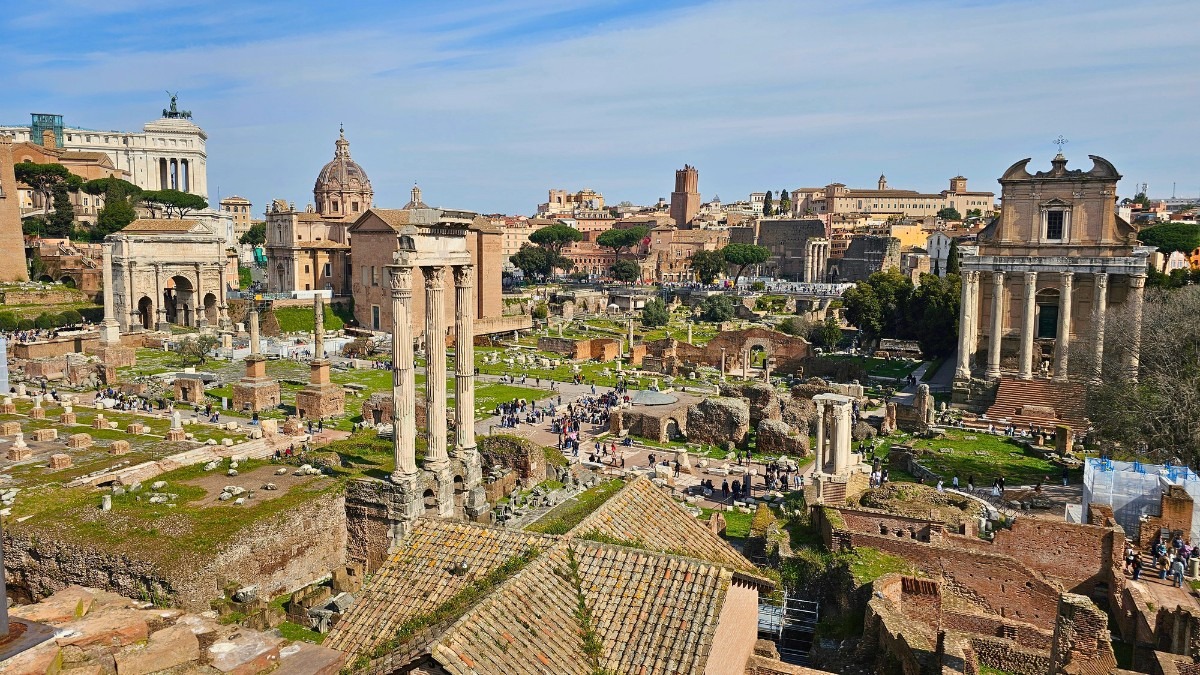
The Roman Forum and Palatine Hill are where the story of ancient Rome becomes real. The Forum was the heart of Roman political, religious, and civic life, while the Palatine became associated with the founding myth of Rome and later with the residences of emperors.
What makes this area so important is not only the ruins themselves, but the meaning behind them. Without historical context, the site can feel confusing. With context, it becomes one of the richest places in Rome. This is where you begin to understand how Rome functioned as a civilization, not just as a city.
The Palatine adds another dimension by offering elevation, views, and a stronger sense of imperial scale. Together, the Forum and Palatine give depth to the Colosseum visit and should never be treated as optional extras.
Booking: Highly recommended to avoid lines and ensure availability, especially during peak season. When purchasing a ticket for the Colosseum, access to the Roman Forum and Palatine Hill is already included. To make the most of your visit, it’s worth joining a guided tour or at least using an audio guide, as it helps bring the history behind each site to life.
Cost: Included in the standard combined Colosseum area ticket
Best way to fit it into your itinerary: Do it on the same day as the Colosseum. This is best as part of a full Ancient Rome day.
Book Roman Forum and Palatine Hill tickets
4. Pantheon
The Pantheon is one of the best-preserved buildings from ancient Rome and one of the most extraordinary interiors in the world. Its dome remains a masterpiece of engineering, and the central oculus transforms light itself into part of the architecture.
What makes the Pantheon different from many other major sights in Rome is its sense of perfection. It is not sprawling or fragmented. It is complete, concentrated, and immediately powerful. The proportions, the materials, the light, and the continuity of use all combine into a space that feels timeless.
Originally built as a pagan temple and later converted into a church, the Pantheon also reflects Rome’s extraordinary ability to preserve and repurpose its past. It is the burial site of important historical figures, including Raphael, which adds another layer of significance.
Because it is relatively compact and centrally located, the Pantheon is one of the easiest major sights to fit into almost any walking itinerary.
Booking: Recommended, especially in busy periods
Cost: Paid entry
Best way to fit it into your itinerary: Combine it with Piazza Navona, Trevi Fountain, Campo de’ Fiori, or a classic historic-center loop.
Ticket: Pantheon Fast-Track and Official Audioguide
3. St. Peter’s Basilica
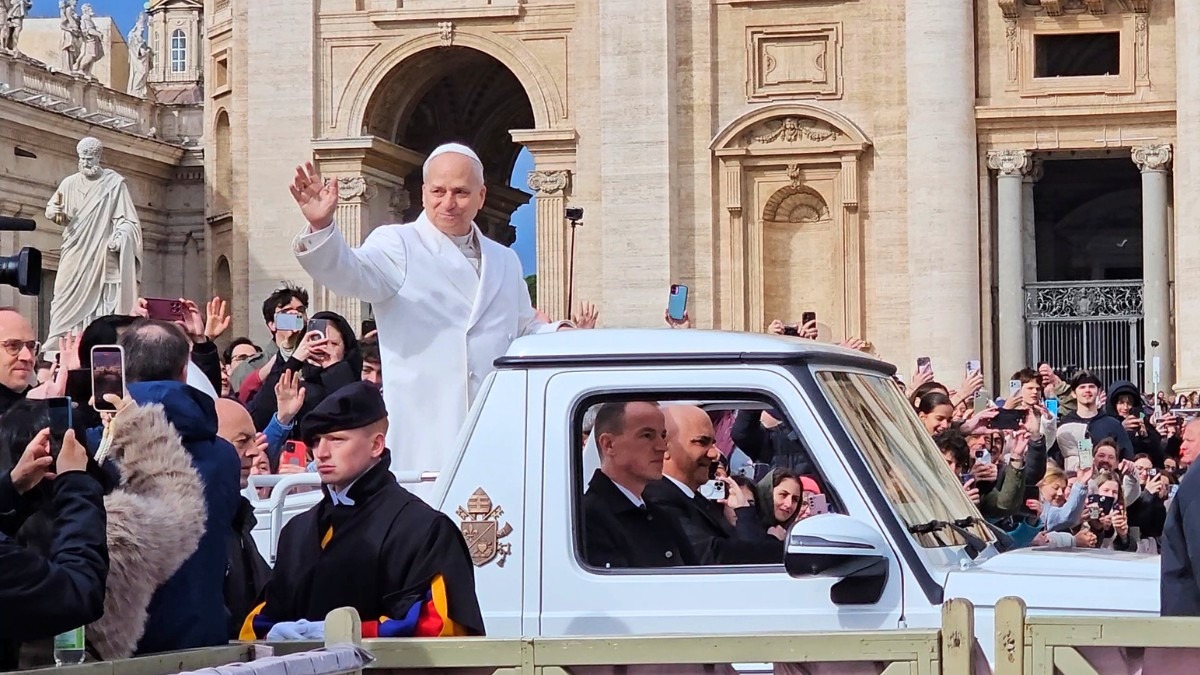
St. Peter’s Basilica is one of the most important religious and architectural sites in the world. Even for travelers who are not especially religious, the scale of the space, the artistic ambition, and the symbolic weight of the basilica make it one of the most unforgettable places in Rome.
The present church stands over what is traditionally believed to be the tomb of Saint Peter. Built between the 16th and 17th centuries, it represents centuries of artistic and spiritual investment. Inside, the basilica gathers works by masters such as Michelangelo and Bernini, including Michelangelo’s Pietà and Bernini’s Baldachin.
What makes this visit different is totality. This is not only a church, not only a work of art, and not only a symbol. It is all of those things at once. It feels monumental in a way that very few spaces do.
Climbing the dome adds another dimension and provides one of the great views of Rome. Travelers should also note that the Papal Audience usually takes place on Wednesdays and requires a free reservation through the appropriate Vatican channel.
Booking: Basilica entry is generally free, but security lines can be long. Dome access and special experiences should be booked.
Cost: Basilica entry is usually free; dome access is paid
Best way to fit it into your itinerary: Give it its own strong visit window or combine it carefully with the Vatican Museums if you start early.
Official Papal Audience booking information
Ticket: St. Peter’s Basilica, Optional Dome Access & Rome Audio App
2. Colosseum
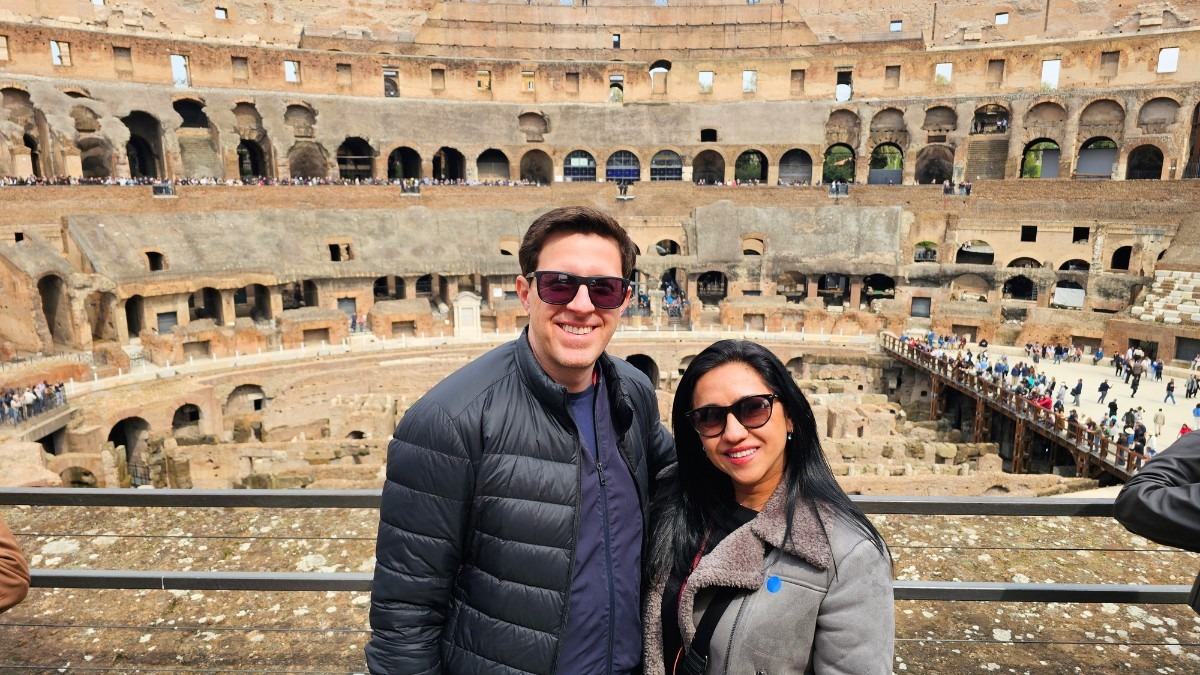
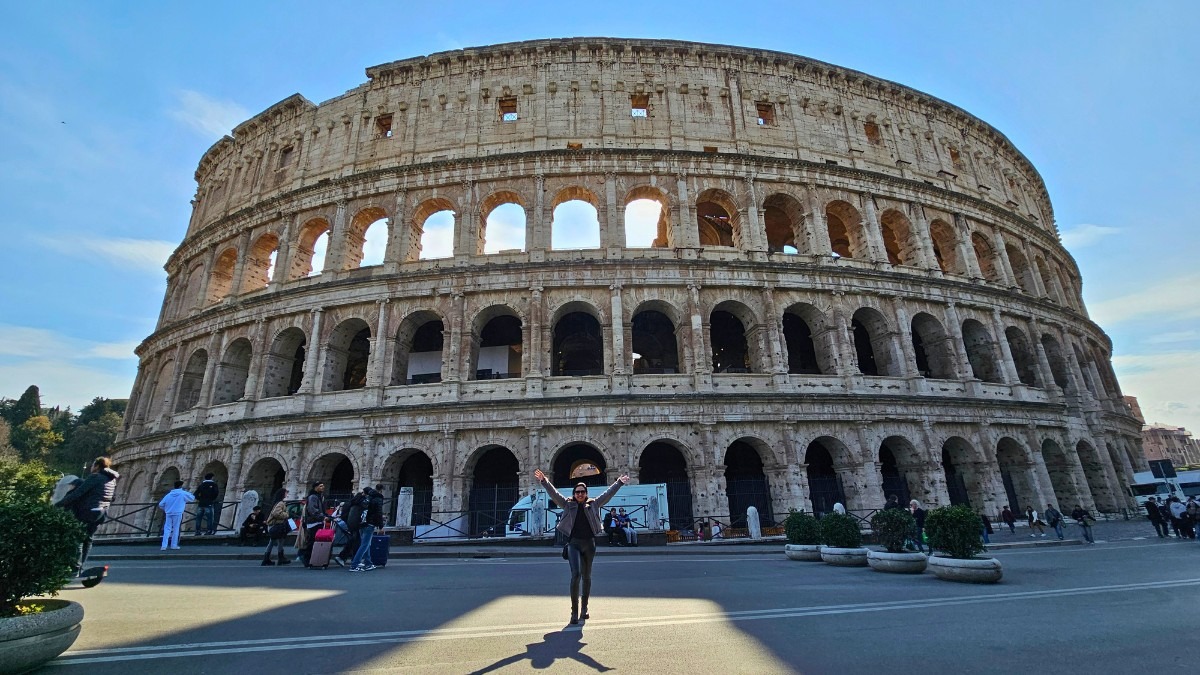
The Colosseum is the most iconic symbol of Rome and still one of the most impressive architectural statements of the ancient world. Built in the first century AD, it was designed for gladiator games, public spectacles, and the political theater of imperial power.
Its engineering remains remarkable, from the scale of the structure to the logic of circulation and the subterranean spaces that supported the arena above. But what makes the Colosseum so effective as an attraction is not only its history. It is its immediacy. Even travelers who know very little about ancient Rome tend to feel its impact instantly.
At the same time, the visit becomes far richer when you understand the social hierarchy of seating, the mechanics below the arena floor, and the role public entertainment played in Roman political life.
This is one of the most important places in Rome to book in advance. If you leave it too late, availability can become a problem and your itinerary may suffer.
Booking: Yes, essential
Cost: Paid major attraction, usually sold with the Roman Forum and Palatine Hill
Best way to fit it into your itinerary: Build an Ancient Rome day around it and start as early as possible.
Book Colosseum tickets and tours
1. Getting Lost in Rome
The best thing to do in Rome is still the least structured: getting lost. This is not just romantic advice. It is one of the most important ways to actually experience the city.
Rome is full of moments that cannot be scheduled well: a hidden church, a beautiful quiet courtyard, a small café, an unexpected fountain, a street that suddenly opens into a perfect square, or a golden light effect that changes an entire neighborhood. These are often the moments travelers remember most.
What makes wandering in Rome so rewarding is that the city is rich even between the headline sights. Walking without a strict plan lets you notice the rhythm of local life, the small details of architecture, and the contrast between monumental Rome and everyday Rome.
Good planning matters in Rome, especially for tickets and timing. But too much structure can flatten the experience. The best itinerary is the one that leaves space for the city to surprise you.
Booking: None
Cost: Free, unless you count coffee, gelato, or aperitivo stops
Best way to fit it into your itinerary: Leave open time every day, especially around the Pantheon, Trastevere, Monti, Prati, or the historic center between Trevi and Navona.
Final Thoughts
Rome works best when you stop treating it like a checklist and start seeing it as a layered experience. Each place offers something different—history, art, atmosphere, perspective—and the best trips bring all of these together.
Visit the Colosseum, Roman Forum, and Palatine Hill to understand Ancient Rome. Explore the Vatican Museums and St. Peter’s Basilica to grasp its religious and artistic influence. Admire the Pantheon as a masterpiece of Roman engineering. Then balance it all with Piazza Navona, Trastevere, Via del Babuino, and time to simply get lost.
That balance is what turns a Rome trip from a busy itinerary into a memorable experience.
If you want more tips like these, follow us on Instagram @beradatravel.
Did you know that when you book through the links on our blog, we earn a small commission, and you support us without paying anything extra? You get discounts and still help Berada Travel keep creating quality content about amazing destinations! Support us so we can keep inspiring travel lovers! ✈️ ❤️


Great content! Keep up the good work!