Where Is Venice
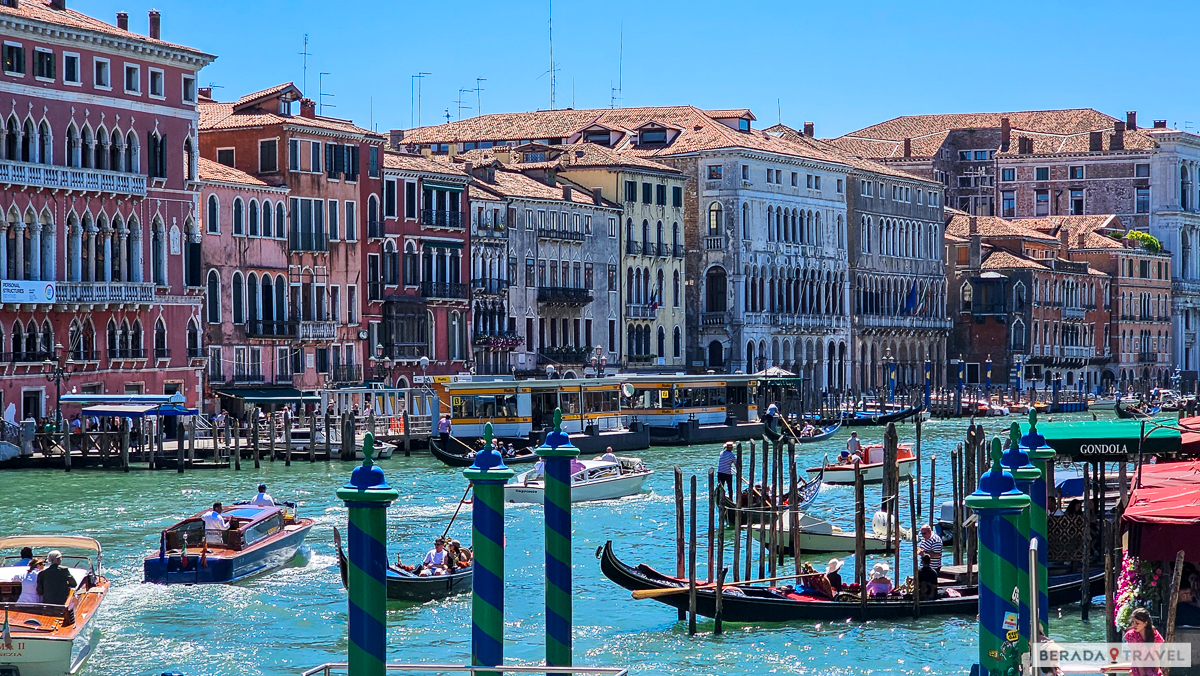
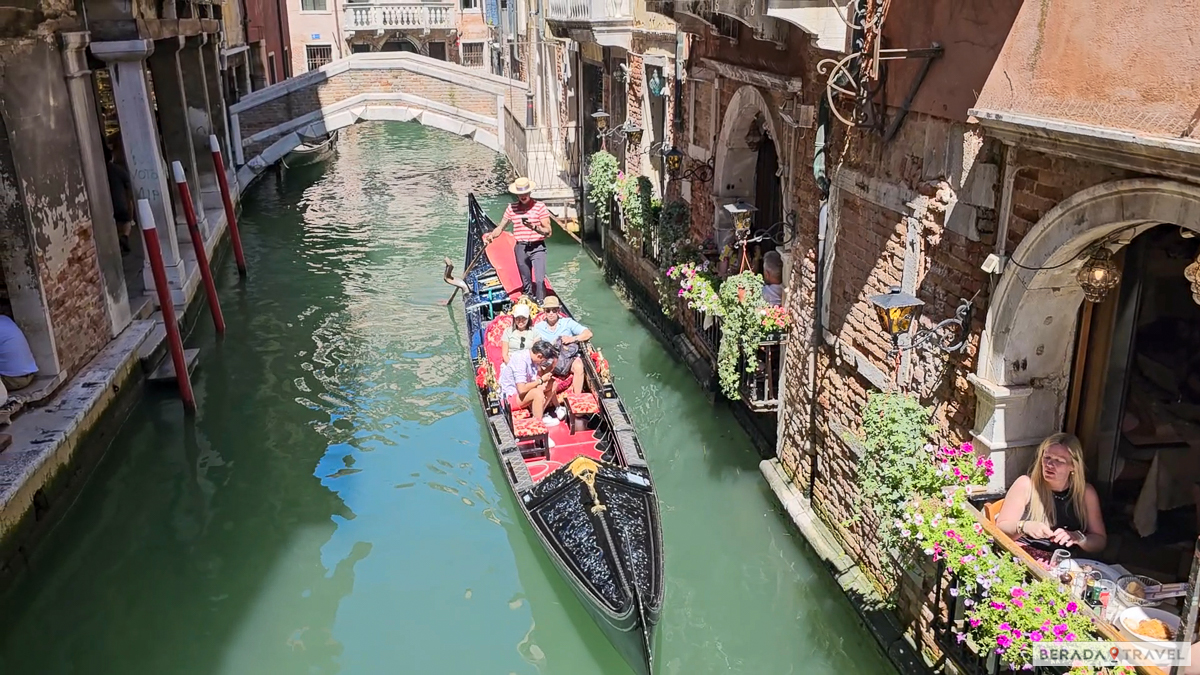
Venice is a magical city, famous for its canals and gorgeous architecture. Here, there are no regular streets—only water—so gondolas replace cars. Every corner of Venice tells a story, from the grand St. Mark’s Square to the charming bridges that link the islands.
Set across 118 small islands in the Venetian Lagoon, the city sits along the Adriatic Sea. Interestingly, Venice is divided into six sestieri (districts), each with its own personality and charm. The calm waters and the absence of traffic turn every turn of this historic city into a living work of art.
Walking through Venice feels like stepping back in time. Colorful façades reflect on the canals, and gondolas glide past wherever you go—it’s truly beautiful!
What to Visit in Venice
Gondola Ride
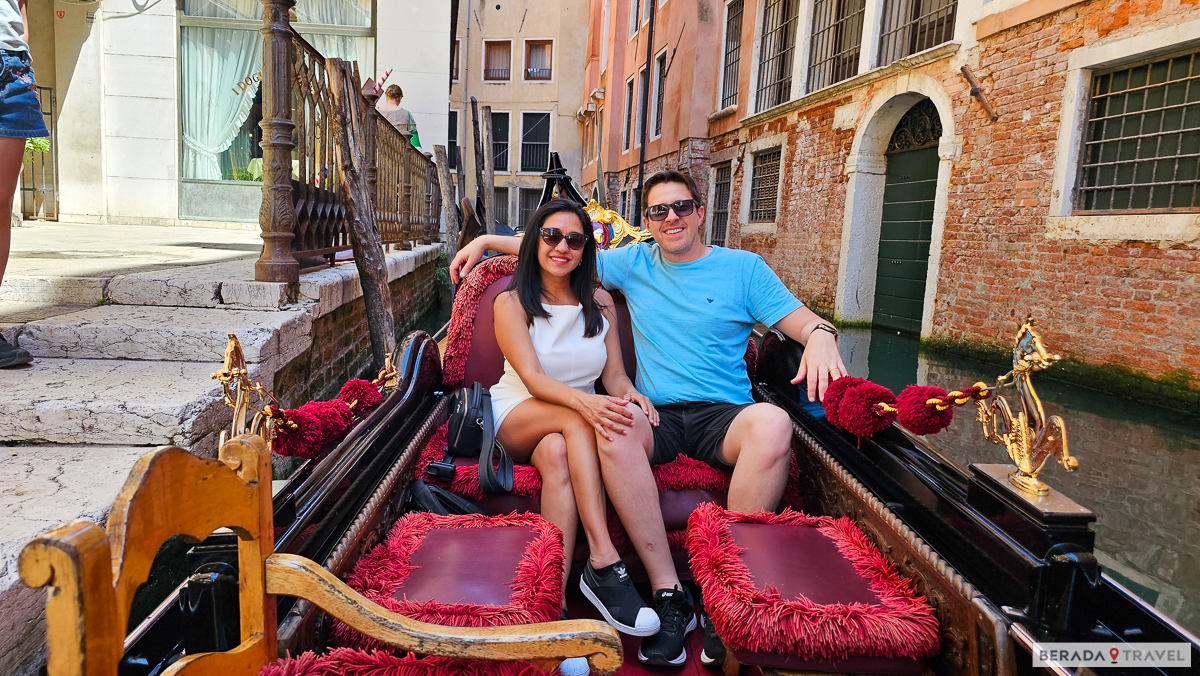
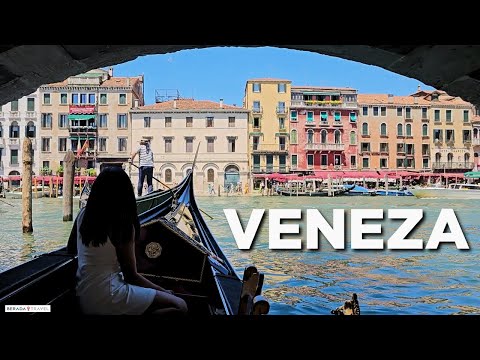
Venice is known for its enchanting canals and, of course, its famous gondolas. A gondola ride offers a unique way to explore the city and soak in the romantic atmosphere that only Venice delivers.
Gondolas are elegant, traditional boats steered by a gondolier using a long oar. During the ride, you can glide past landmarks like the Bridge of Sighs and the Rialto Bridge. However, you can also choose a route along the smaller canals and pay a little less.
Negotiate the price before you board, since rides can be pricey. Even so, this is one of those experiences worth every cent for the memory it creates. We did it and loved it—the trip wouldn’t have been the same without it. It’s a great investment!
👉 Tips: Gondola ride on the Grand Canal and Other gondola rides in Venice
Piazza San Marco (St. Mark’s Square)
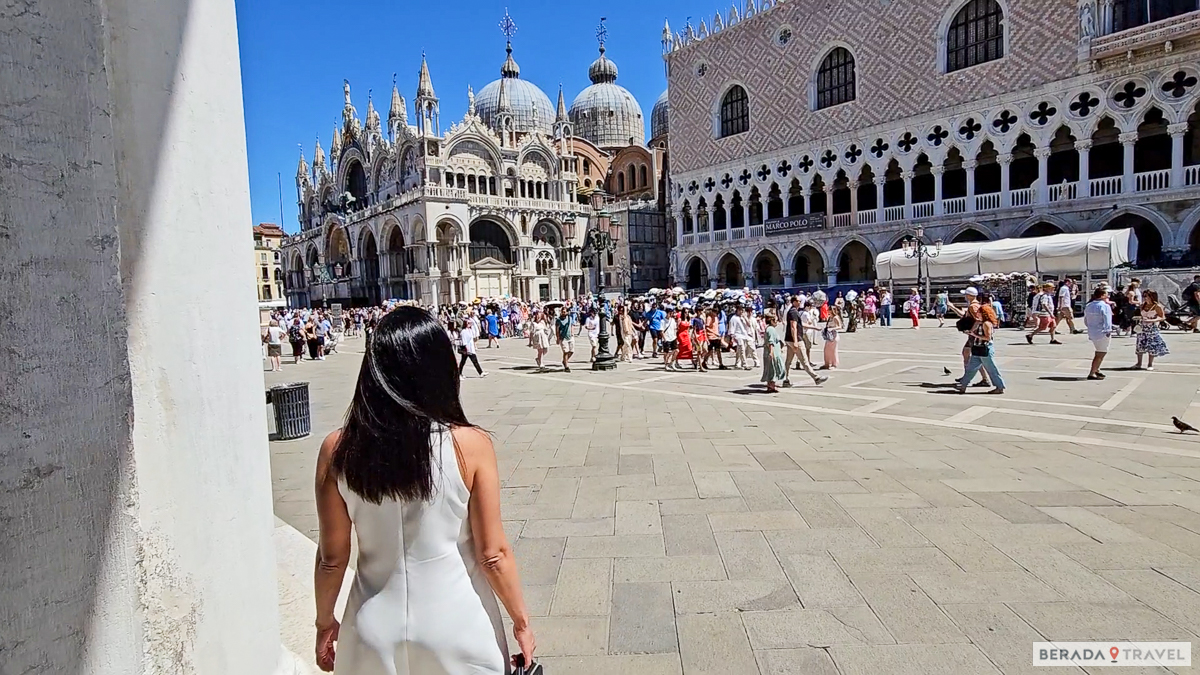
This is the best place to start your walk. As Venice’s main gathering point, St. Mark’s Square dazzles with architectural masterpieces like St. Mark’s Basilica, St. Mark’s Campanile, and the Doge’s Palace. Besides, you’ll find plenty of restaurants, cafés, and shops.
Basilica di San Marco (St. Mark’s Basilica)
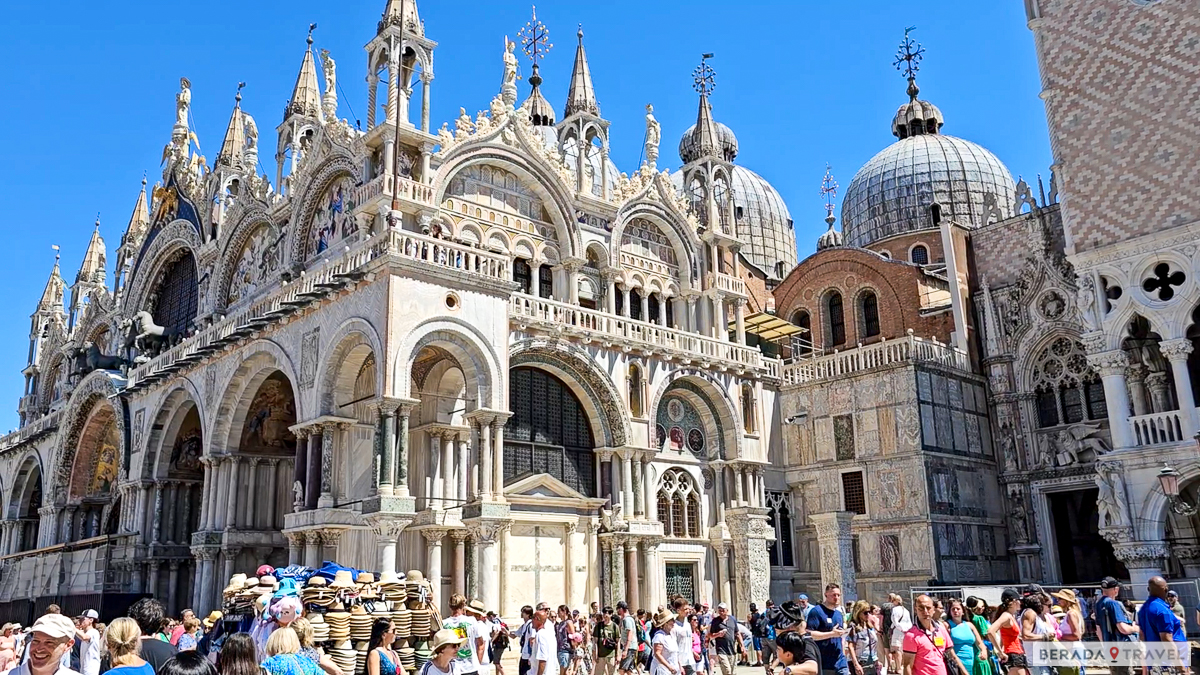
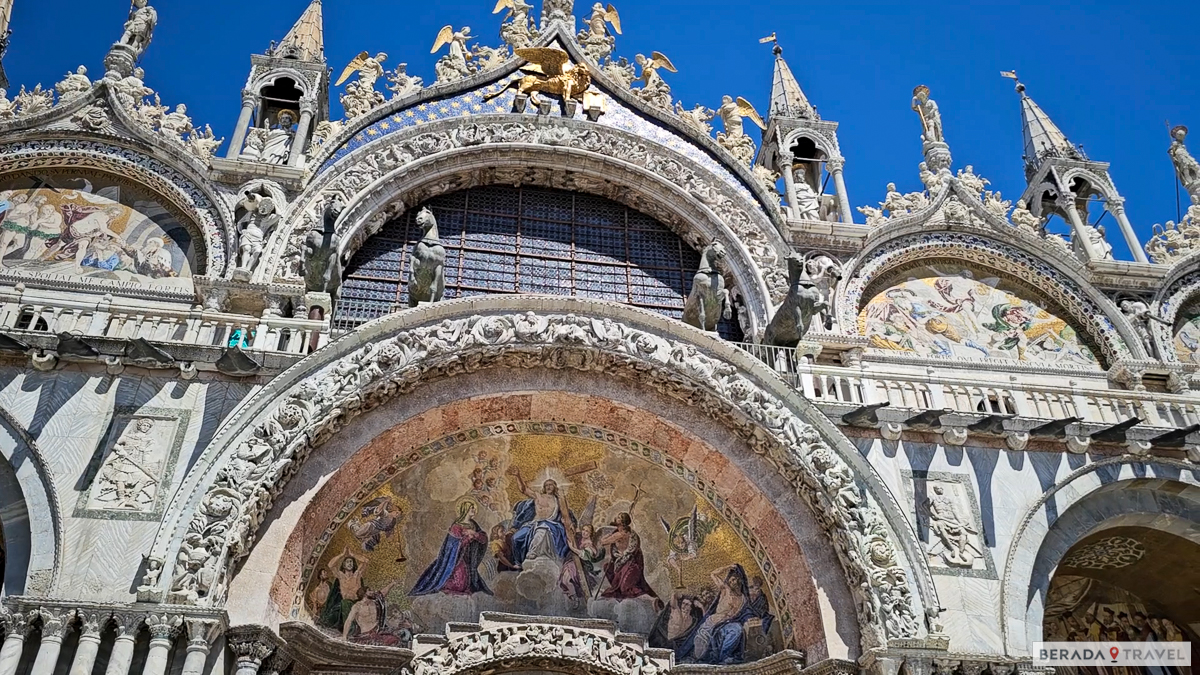
One of the world’s most famous churches, its façade and golden mosaics showcase Byzantine art and architecture.
Dedicated to Venice’s patron saint and completed in the 11th century, the basilica impresses with five domes and countless exterior statues. Inside, shimmering mosaics narrate biblical scenes and the life of St. Mark under a golden glow. Highlights include the Pala d’Oro and the Horses of St. Mark—treasures steeped in history and devotion.
If you want to go inside, we strongly recommend buying tickets in advance to avoid lines—especially in high season. We visited in July and the queue was huge.
👉 Tip: buy St. Mark’s Basilica tickets in advance
St. Mark’s Campanile
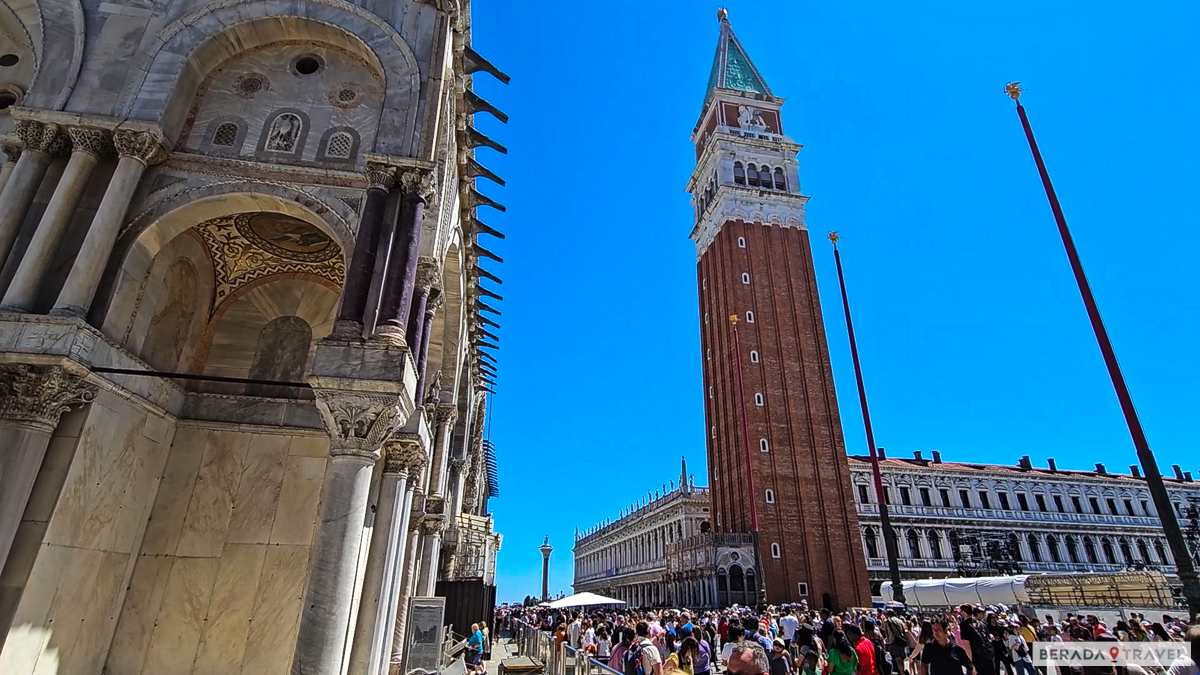
This is one of Venice’s most iconic sights. Rising to 98.6 meters, the bell tower dominates St. Mark’s Square and offers sweeping views of the city. The original structure dates back to the 9th century, but the current version was rebuilt in 1912 after a devastating collapse.
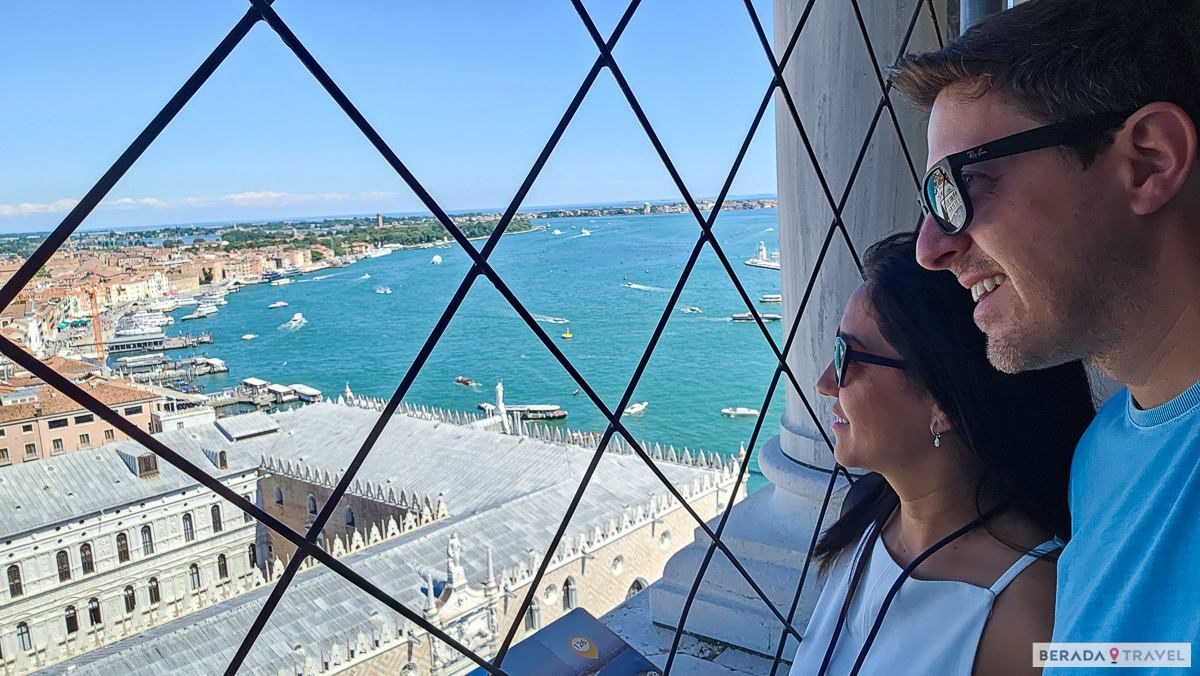
Visitors come from all over the world to ride up and admire the basilica’s golden domes, the city’s red rooftops, and its winding waterways.
You go up by elevator, so travelers of any age can enjoy the experience. Note that they don’t allow luggage, bags, or backpacks larger than 40 cm x 30 cm x 20 cm—keep that in mind.
👉 Tip: get St. Mark’s Campanile tickets in advance
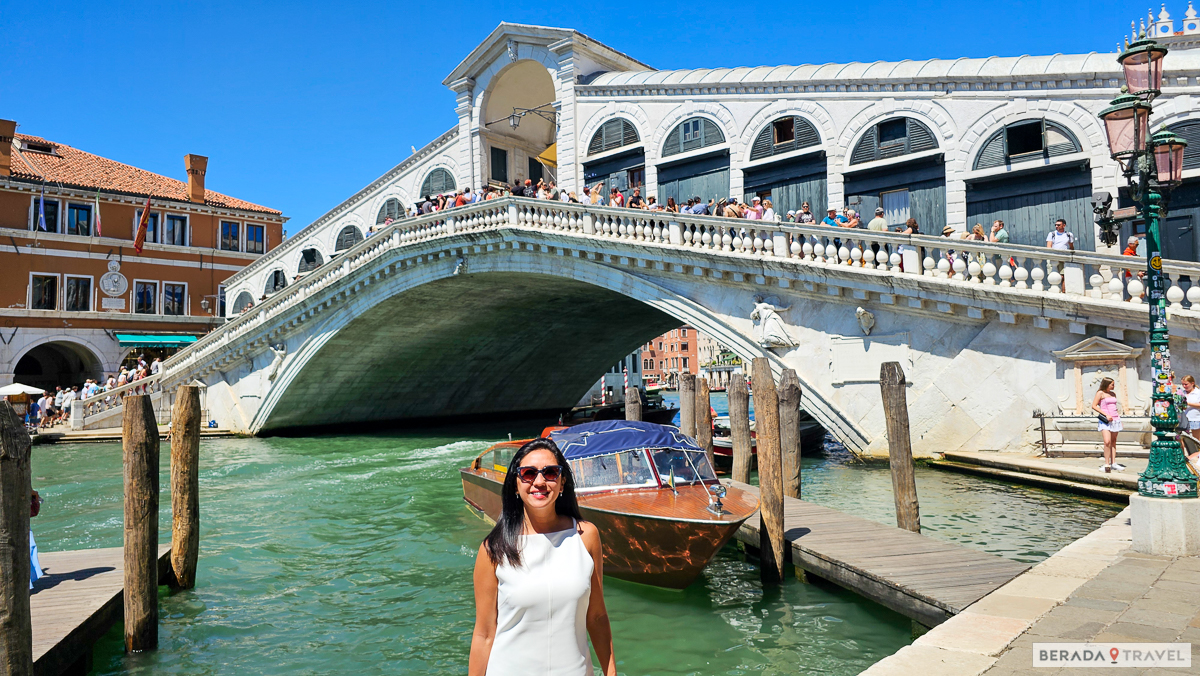
Rialto Bridge
The Rialto Bridge is a Venetian icon, arching over the Grand Canal and drawing visitors year-round. Built between 1588 and 1591 by architect Antonio da Ponte, it replaced earlier wooden crossings and still stands as a symbol of the city. Beyond its architecture, the bridge hums with commerce, from souvenirs to jewelry and crafts. It’s the place to feel Venetian life, between gondolas and everyday routines.
Climb up for stunning views of the Grand Canal—photos from the top turn out amazing.
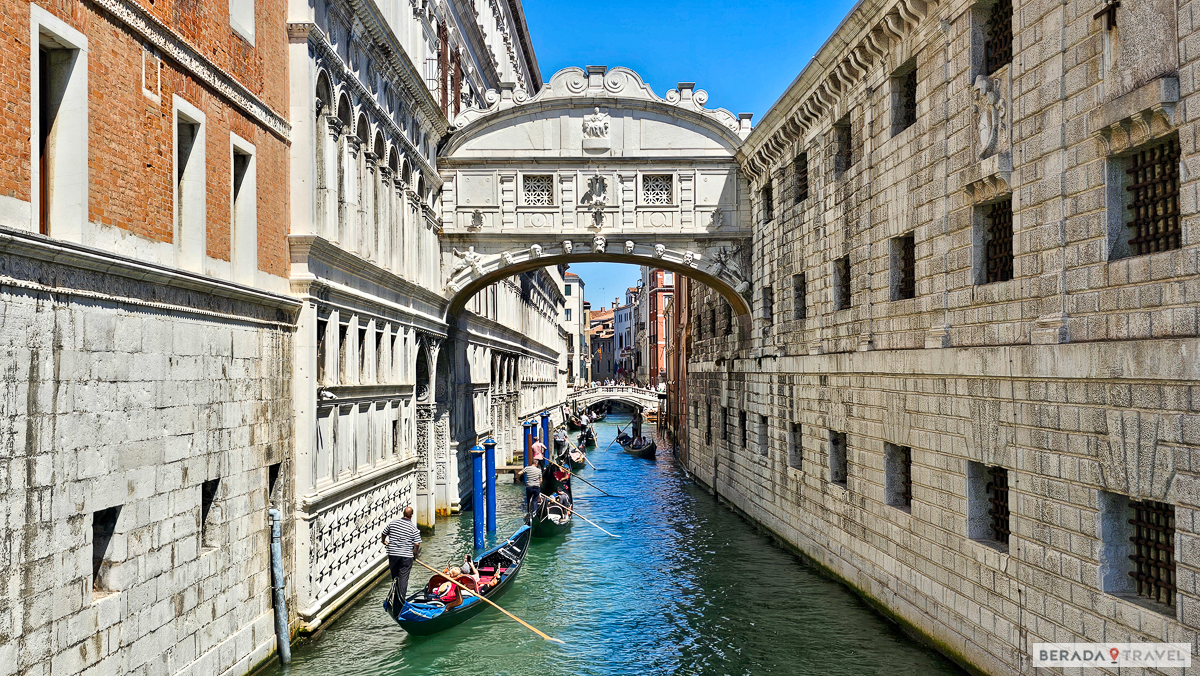
Bridge of Sighs
The 17th-century Bridge of Sighs links the Doge’s Palace to the old prison. Its name comes from the sighs of prisoners catching a final glimpse of the city. Today, it’s also famous among couples who hope for everlasting love by kissing beneath it on a gondola.
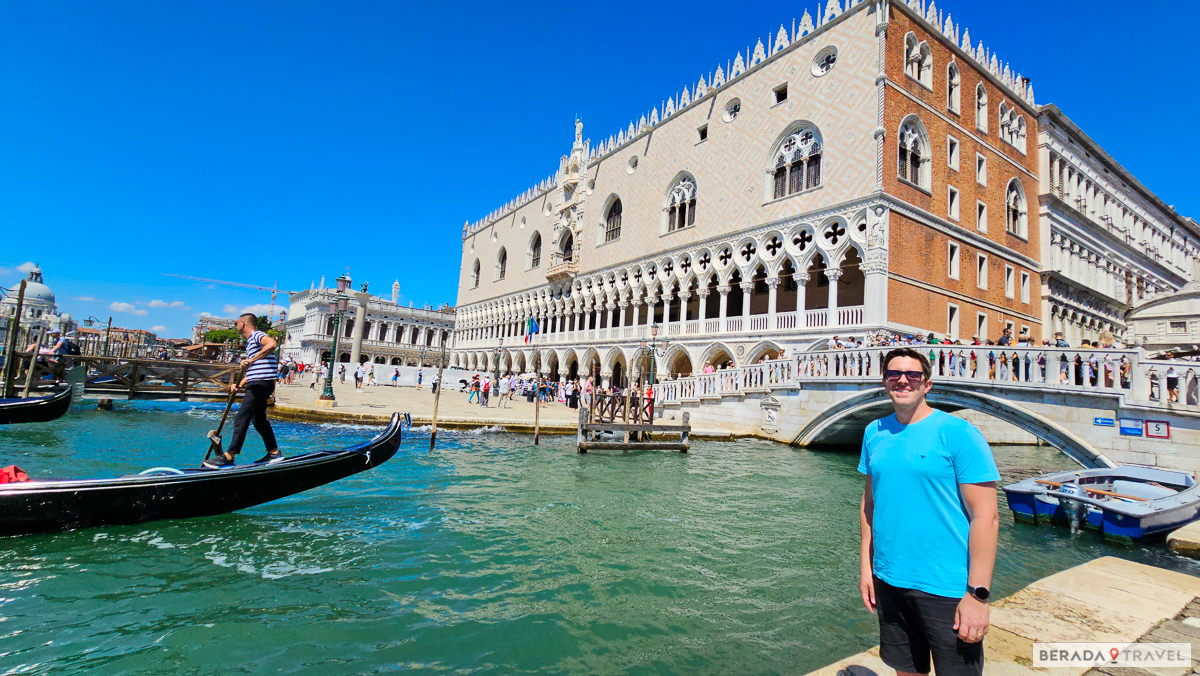
Doge’s Palace
The Doge’s Palace (Palazzo Ducale) is a Gothic masterpiece and one of the city’s top sights. Once the political heart of Venice and the residence of the elected Doge, it now operates as a museum that welcomes visitors eager to explore its lavish halls and rich history.
As you wander its corridors, you’ll admire striking artworks, including paintings by masters like Tintoretto and Veronese. Majestic rooms with gilded details and soaring ceilings recount the city’s glorious past.
Lines here were also huge when we visited, so we recommend buying tickets in advance.
👉 Tip: Tickets for the Doge’s Palace visit
When to Visit Venice
The best time depends on what you want from the trip. Here are some tips:
Spring (March to May)
Fewer tourists than in summer, pleasant weather for walking, and the city slowly comes alive after winter.
Summer (June to August)
Hot and crowded, with events like the Venice Film Festival. It’s ideal if you enjoy a lively atmosphere.
Autumn (September to November)
Less crowded and usually cheaper. Early autumn still has good weather; however, there’s a risk of “acqua alta” (high tides) in November.
Winter (December to February)
Cold, but with fewer tourists and lower hotel and flight prices. It’s also Carnival season—great if you don’t mind the chill.
In short, spring and autumn help you avoid crowds while enjoying mild weather. Summer suits event lovers who don’t mind heat. We went in July and it was hot and busy; on the other hand, our photos were incredible thanks to the cloudless sky. Winter works well if you want to save and experience traditional festivities.
How to Get to Venice
By Car
You can’t drive directly into Venice because the city is car-free. Instead, park at Piazzale Roma or on the island of Tronchetto and continue on foot or by vaporetto (public boat).
We parked at Tronchetto Parking at the city entrance. The hourly rate is €4, and the daily rate is €26. The covered garage offers 3,973 spaces.
Boat lines depart right next to the parking area and stop near St. Mark’s Square. We paid €10 per leg—so €20 per person, round trip.
If you plan to rent a car in Italy, we recommend DiscoverCars. The site makes it easy to compare prices and reviews, and we’ve had great experiences using it.
Valuable tips for drivers Driving in Italy: Essential Tips for Car Rental, Tolls, Parking, and ZTL Zones and How to Rent a Car in Italy: Complete Guide for Travelers

By Train
Arriving by train is very convenient. On the site below you can compare prices from several operators that serve this route.
For example, Milan to Venice costs about €55 and takes 2h27. However, prices vary by time and season, so buy in advance.
To purchase train tickets in Italy, we recommend Omio. It’s very popular across Europe and makes it easy to compare prices and schedules from the main companies. We’ve used it many times and always found good options.
By Bus
Coaches run regular services to Piazzale Roma and Tronchetto.
We saw FlixBus near the garage and recommend it. We’ve traveled with them in Europe and found great value—it’s often cheaper than the train, and the buses are comfortable.
For example, Milan to Venice costs €22–27 and takes about 4h45. There are also buses from Rome, Verona, and many other cities. Here’s their site:

Where to Stay in Venice
Hotels in the Historic Center
Staying in the heart of Venice means you’ll be close to top sights like St. Mark’s Square and the Rialto Bridge. Hotels here cost more, but you’ll save time on transport.
Cannaregio
This district feels a bit quieter and can offer better rates. Therefore, it’s a great area to soak up local life while staying close to the center.
Castello
Here you’ll find a mix of locals and visitors. It’s a solid pick if you want a more authentic Venetian vibe.
Dorsoduro
Known for art galleries and nightlife, it’s ideal if you’re after culture and a fun evening scene.
Lido di Venezia
If you want to pair your visit with some beach time, head to the Lido. It’s easy to reach the historic center by boat.
Mestre
Staying in Mestre can be much cheaper. You’ll just take a quick train or bus over the bridge into Venice.
Stay in Nearby Towns
This can be the most budget-friendly option, as long as you have a car. We’re traveling by rental car and visiting several cities on day trips. We booked an apartment near our main targets, which keeps costs down while letting us see more in one trip. The bonus: we don’t move around with lots of luggage. Since the roads are excellent, it doesn’t feel tiring.
If you stay in Venice itself, you’ll need to take your luggage by boat and then carry it through the crowds to your hotel. Therefore, choose your location carefully to avoid hassles.
Venice Entry Fee
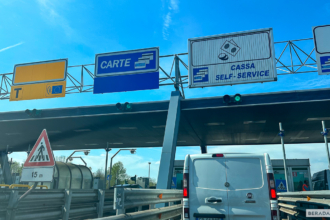
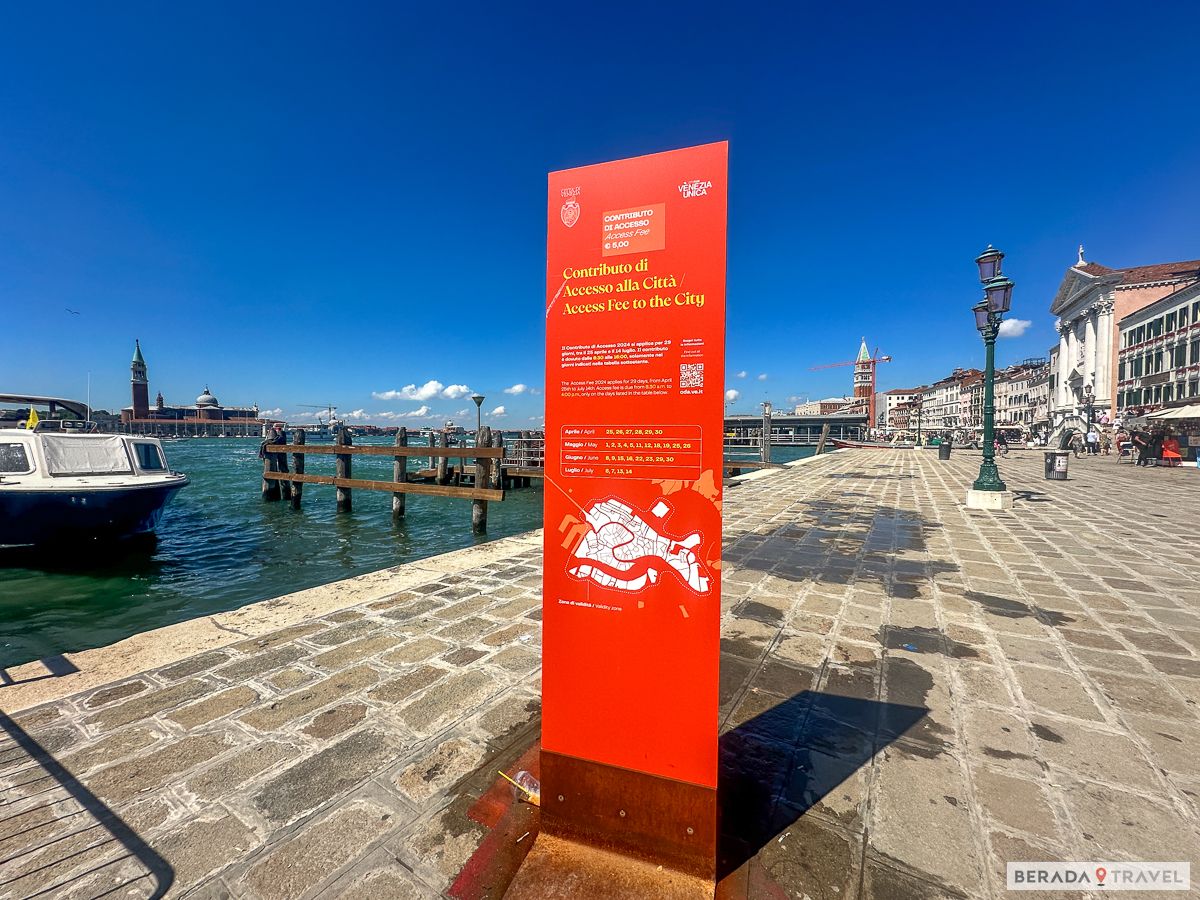
Venice’s day-tripper entry fee helps manage visitor numbers and funds upkeep. The fee applies to travelers who don’t spend the night—those who come only for the day. It’s not charged every day; there’s a calendar on the website and signs with a QR code when you arrive (see the photo below).
The current price is €5, and you can pay online here: Venice entry fee payment. Don’t forget to save your receipt.
This fee forms part of a broader effort to handle the impact of mass tourism, which can strain local infrastructure and affect residents’ quality of life. Moreover, the revenue supports the conservation of historic monuments and improvements to public services.
Other Useful Tips for Visiting Venice
- Buy attraction and boat tickets in advance—especially in high season—because lines are common.
- Wear comfortable shoes; you’ll walk a lot!
- Watch for high tides, particularly from November to December.
- If you have more than one day in Venice, add the islands of Murano (glass-making tradition) and Burano (handmade lace) to your itinerary.
Our Opinion
Venice is more than a city. It blends history, romance, and great food in a way that feels unique. For that reason, it’s a must-visit destination that will stay with you long after your trip.
For more Italy travel tips, check out:
Milan, Italy: What to Do in 1 Day
Tuscany Travel Guide: Best Places to Visit
For more tips like these, follow us on Instagram @beradatravel
Did you know that when you book through the links on our blog, we earn a small commission at no extra cost to you? You get discounts and still help Berada Travel keep producing high-quality articles about amazing places! Help us so we can keep helping fellow travel lovers! ✈️ ❤️