Italy is a country celebrated for its historical, artistic, and cultural wealth. It’s no wonder it’s home to 59 UNESCO World Heritage Sites—more than any other country in the world. This article is a Travel Guide through Italy’s regions, exploring the wonders that make the country such a unique and unforgettable destination.
Each site offers an extraordinary window into humanity’s heritage—from the awe-inspiring ruins of Ancient Rome and Florence’s Renaissance masterpieces to the dramatic landscapes of the Dolomites and the Amalfi Coast. The diversity of sites, spanning medieval towns, majestic palaces, and striking natural phenomena, creates a fascinating route that blends art, architecture, history, and nature. Exploring these treasures is not only a chance to learn, but also an immersion into the essence of Italy and the country’s contribution to world civilization.
What Counts as a UNESCO World Heritage Site
UNESCO World Heritage Sites are places—cultural, natural, or mixed—considered of outstanding value to humanity due to their historical, architectural, cultural, or environmental significance. These places are protected and promoted by the United Nations Educational, Scientific and Cultural Organization (UNESCO) to ensure their preservation for future generations.
Today, there are more than 1,100 designated World Heritage Sites across the globe. Each site is selected based on specific criteria that highlight its universal value. The country with the most UNESCO World Heritage Sites is Italy, which currently has 59 sites. These include culturally and historically important locations such as the Colosseum in Rome, the city of Venice, the ruins of Pompeii, and many more.
Italy’s 59 UNESCO World Heritage Sites
The list is vast and varied, covering a wide range of historic, cultural, and natural locations. Below you’ll find each place with its name, city or locality, region, and a brief description:
Historic Centre of Rome
City: Rome
Region: Lazio
Description: Monumental remains of ancient Rome—such as the Colosseum, Roman Forum, and Pantheon—reflecting the grandeur of the Roman Empire.
Vatican City
City: Rome
Region: Lazio
Description: Home to St. Peter’s Basilica, the Vatican Museums, and the Sistine Chapel—the spiritual center of the Catholic Church.

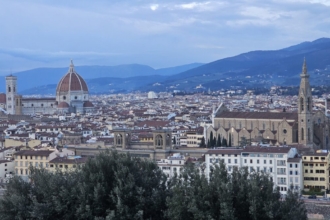
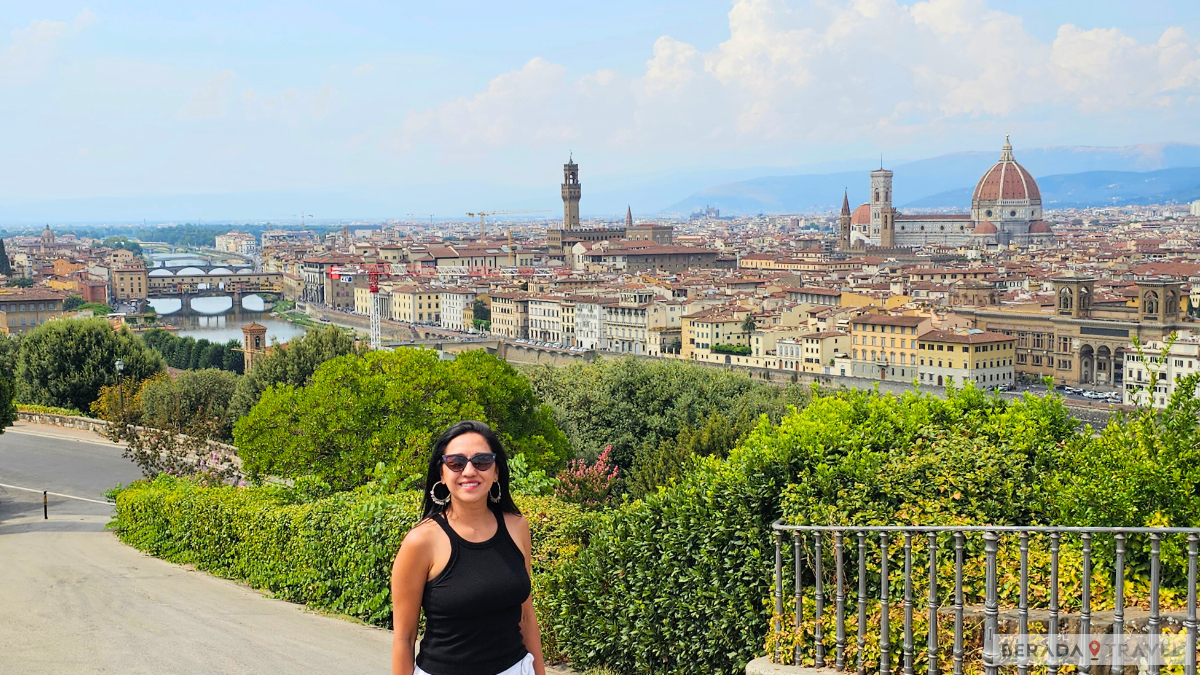
Historic Centre of Florence
City: Florence
Region: Tuscany
Description: The cradle of the Renaissance, famed for art and architecture such as the Duomo and the Uffizi Gallery.
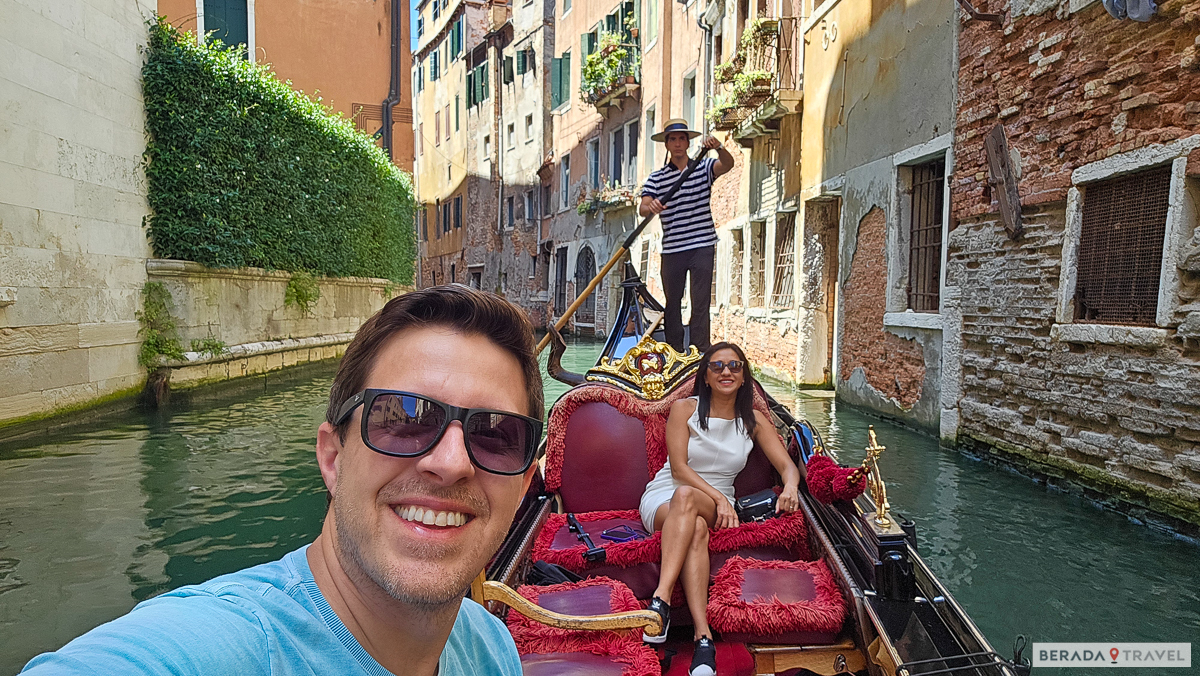
Venice and its Lagoon
City: Venice
Region: Veneto
Description: The iconic city of canals and bridges, celebrated for its Gothic and Renaissance architecture and historic islands.
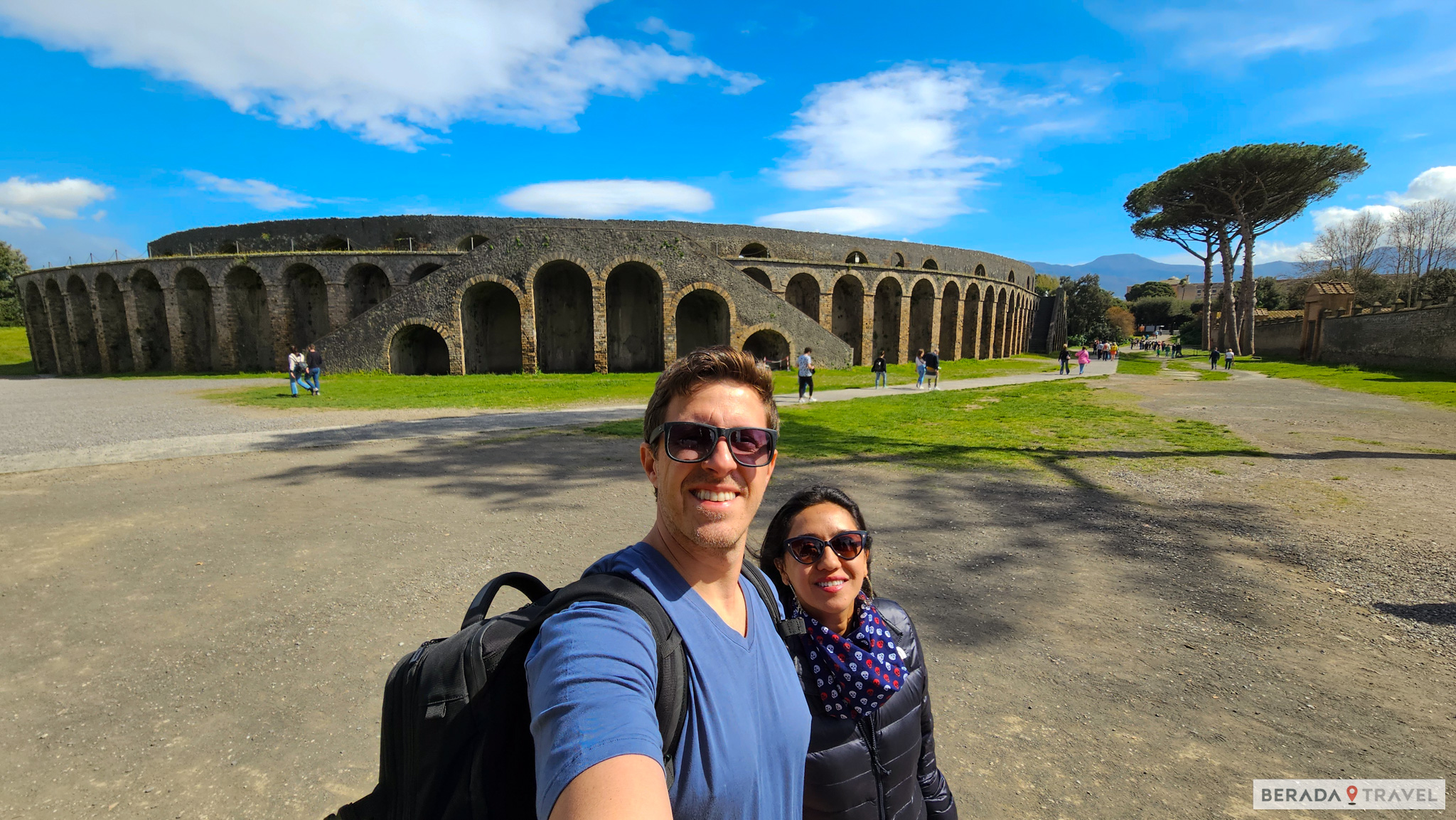
Pompeii, Herculaneum and Torre Annunziata
City: Near Naples
Region: Campania
Description: Roman cities preserved by Mount Vesuvius’s eruption in AD 79, offering a rare snapshot of daily life in antiquity.
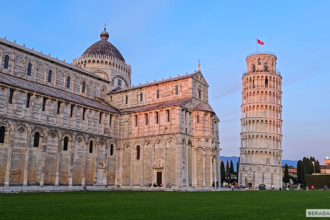
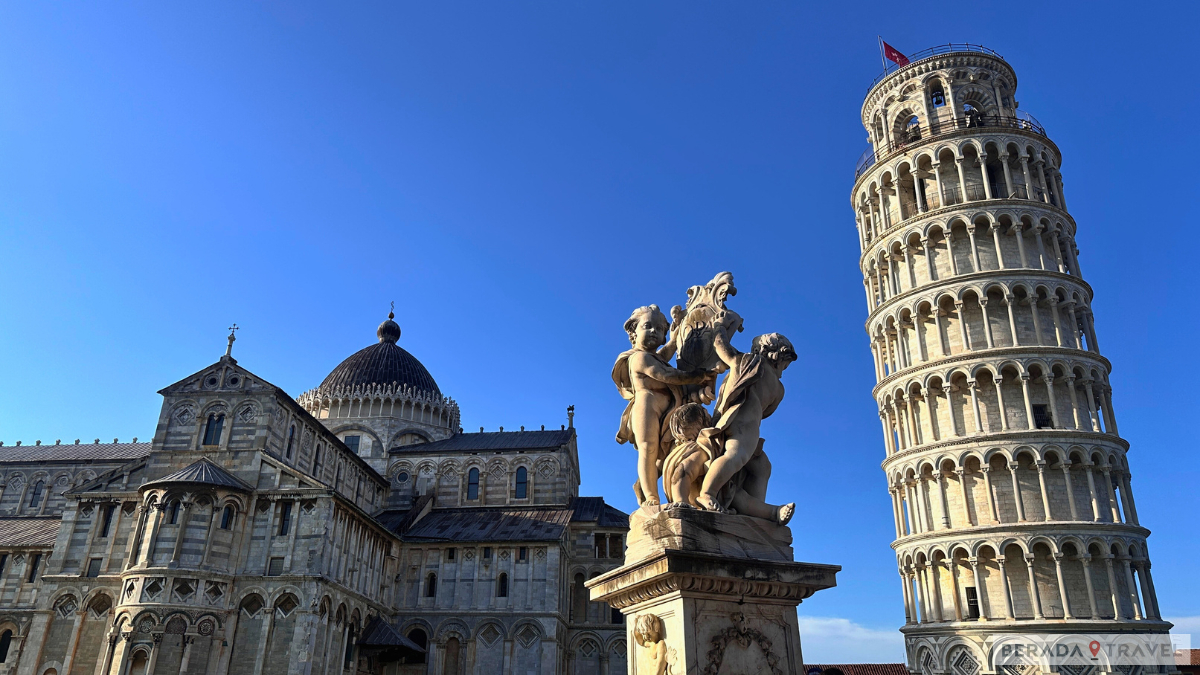
Piazza dei Miracoli and Tower of Pisa
City: Pisa
Region: Tuscany
Description: The world-famous Leaning Tower alongside the cathedral and baptistery—masterpieces of medieval art.
Amalfi Coast
Cities: Amalfi, Positano, Ravello, Praiano, Atrani, Maiori, Minori, Vietri sul Mare, Scala, Conca dei Marini, Furore, Cetara, and Tramonti
Region: Campania
Description: A dramatic coastal landscape with picturesque villages and cliffside vistas—renowned for natural beauty and charming architecture.
Historic Centre of Naples
City: Naples
Region: Campania
Description: One of Europe’s largest historic centers, with layers of history from Greco-Roman times to the Baroque era.
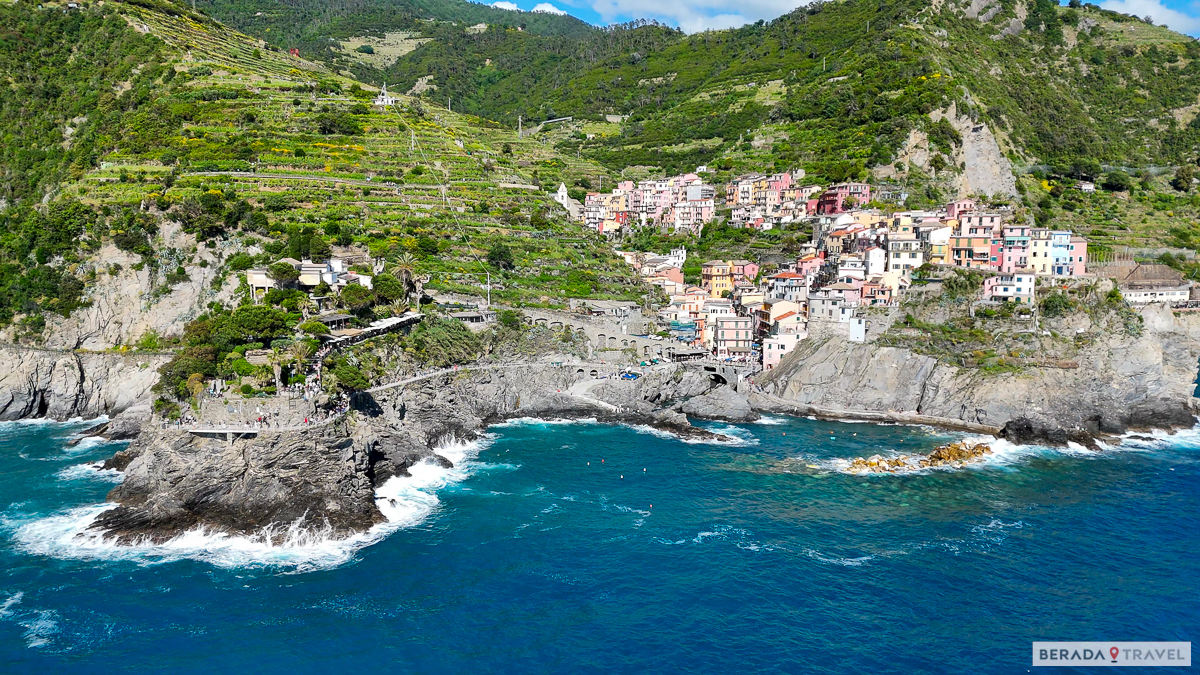
Cinque Terre
Cities: Monterosso al Mare, Vernazza, Corniglia, Manarola, and Riomaggiore
Region: Liguria
Description: Five colorful cliffside villages with spectacular sea views and famous hiking trails.
Val d’Orcia
Cities: Various (Pienza, Montalcino, San Quirico d’Orcia, Castiglione d’Orcia, Radicofani, Monticchiello)
Region: Tuscany
Description: A cultural landscape of rolling hills, vineyards, and historic towns—epitomizing the Renaissance ideal of harmony between people and nature.
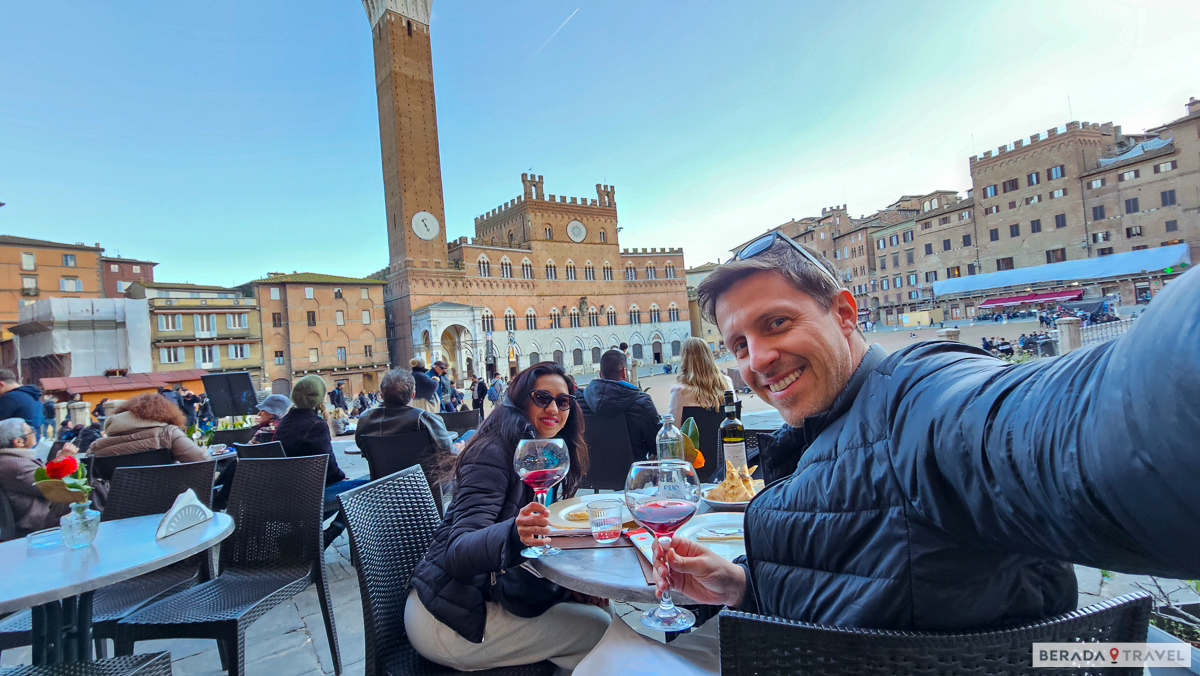
Historic Centre of Siena
City: Siena
Region: Tuscany
Description: A medieval city of narrow lanes and the famed Piazza del Campo, home to the Palio horse race.
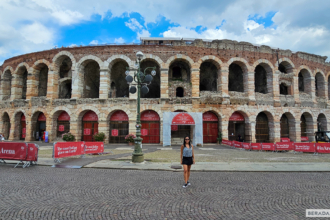
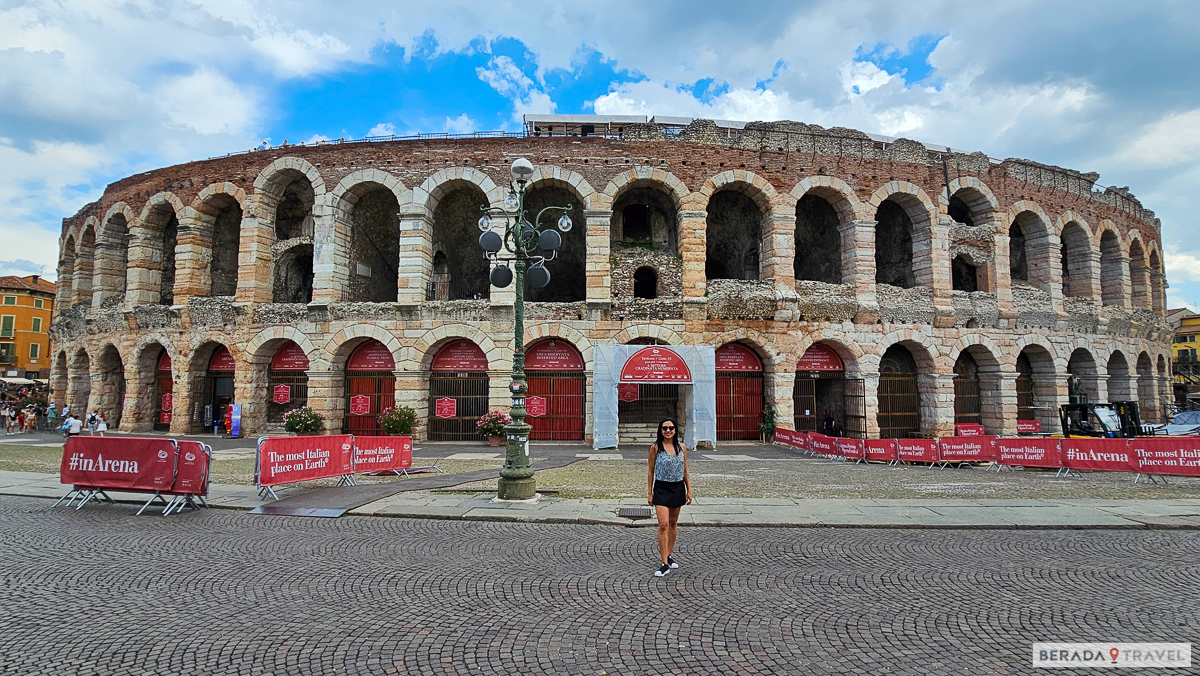
Historic Centre of Verona
City: Verona
Region: Veneto
Description: Famous for its Roman Arena and ties to Shakespeare’s “Romeo and Juliet.”
Royal Palace of Caserta
City: Caserta
Region: Campania
Description: One of Europe’s largest palaces, with vast gardens, fountains, and lavish interiors—often compared to Versailles.
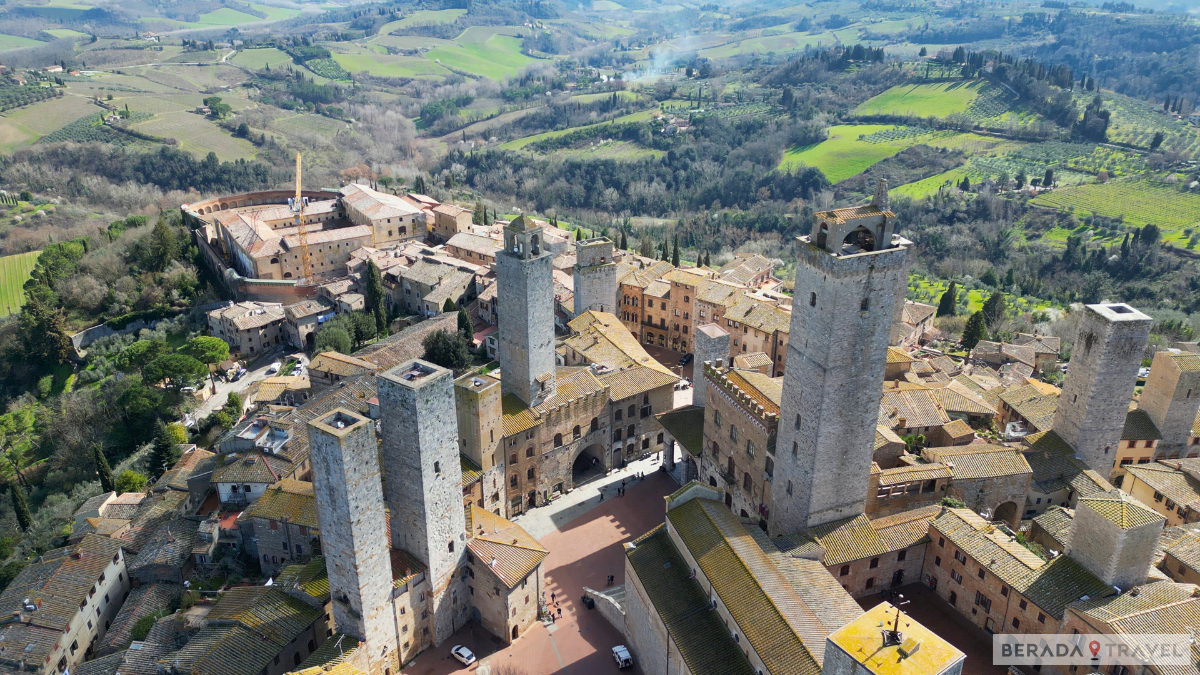
Historic Centre of San Gimignano
City: San Gimignano
Region: Tuscany
Description: A medieval town renowned for its tall, well-preserved towers—an impressive example of feudal urban planning.
Hadrian’s Villa (Villa Adriana), Tivoli
City: Tivoli
Region: Lazio
Description: The emperor Hadrian’s imperial residence, with palaces, theaters, and luxurious gardens.
Villa d’Este, Tivoli
City: Tivoli
Region: Lazio
Description: A Renaissance villa celebrated for its magnificent gardens and artful fountains.
Villa Romana del Casale
City: Piazza Armerina
Region: Sicily
Description: A Roman mansion boasting some of the best-preserved mosaics from the ancient world.
Assisi
City: Assisi
Region: Umbria
Description: The birthplace of St. Francis, with the Basilica of St. Francis and other important religious sites.
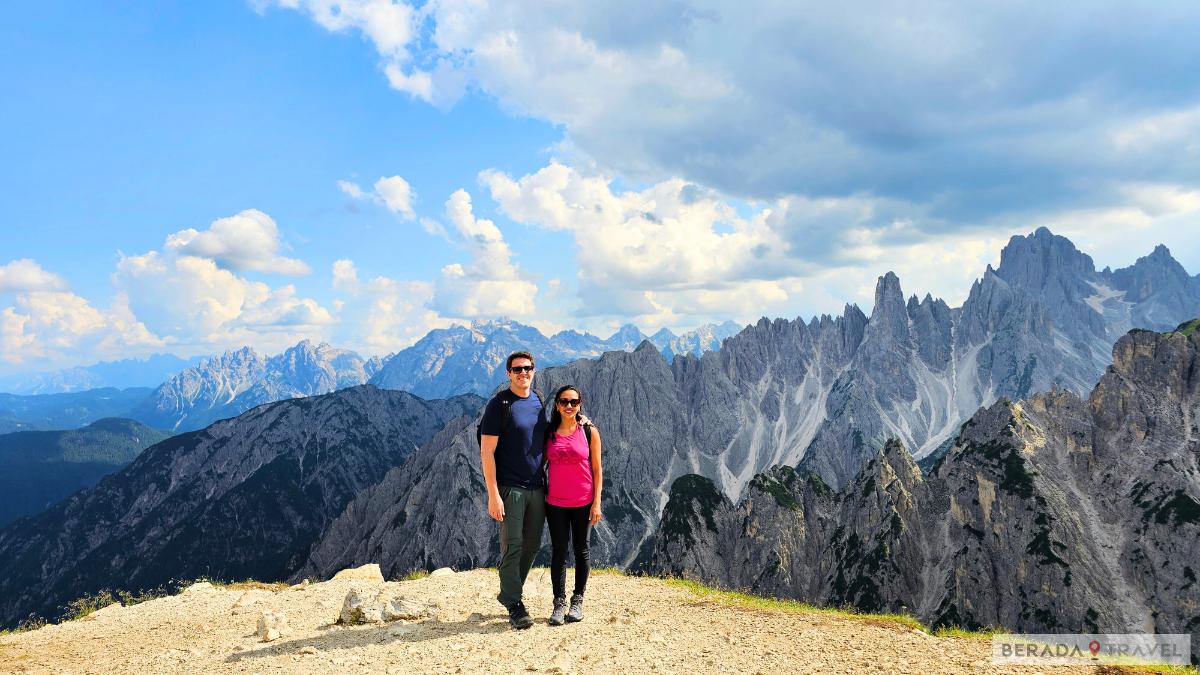
The Dolomites
Cities: Cortina d’Ampezzo, Ortisei, Canazei, Selva di Val Gardena, Dobbiaco, San Candido, Corvara, Brunico, Alleghe, Arabba, Bolzano, etc.
Region: Trentino–Alto Adige, Veneto, Friuli-Venezia Giulia
Description: A dramatic alpine mountain range with outstanding natural beauty—ideal for winter sports and hiking.
Historic Centre of Matera (Sassi di Matera)
City: Matera
Region: Basilicata
Description: Stone dwellings carved into rock—inhabited since prehistory—form one of the oldest living landscapes in the world.
Ferrara, City of the Renaissance, and its Po Delta
City: Ferrara
Region: Emilia-Romagna
Description: A Renaissance city with remarkably preserved architecture, framed by the Po River delta.
Late Baroque Towns of the Val di Noto
Cities: Noto, Modica, Ragusa, Scicli, Caltagirone, Militello in Val di Catania, Palazzolo Acreide, Catania
Region: Sicily
Description: A group of towns rebuilt in Baroque style after the 1693 earthquake.
Archaeological Area of Agrigento
City: Agrigento
Region: Sicily
Description: Exceptionally preserved Greek temples—remnants of one of Magna Graecia’s most important colonies.
The Trulli of Alberobello
City: Alberobello
Region: Apulia (Puglia)
Description: Traditional conical dry-stone houses typical of Apulia.
Mount Etna
City: Sicily
Region: Sicily
Description: Europe’s largest active volcano—one of Italy’s most iconic natural features.
Aeolian Islands (Isole Eolie)
Cities: Lipari, Vulcano, Salina, Stromboli, Panarea, Filicudi, Alicudi
Region: Sicily
Description: A volcanic archipelago in the Tyrrhenian Sea, famed for geological value and raw natural beauty.
Sacri Monti of Piedmont and Lombardy
Cities: Varallo, Orta San Giulio, Crea, Oropa, Belmonte, Ghiffa, Domodossola, Varese, Ossuccio, etc.
Regions: Piedmont and Lombardy
Description: Complexes of chapels and devotional sites in the mountains, showcasing Christianity in art and architecture.
Longobards in Italy: Places of Power
Cities & Regions: Brescia, Lombardy; Cividale del Friuli, Friuli-Venezia Giulia; Castelseprio, Lombardy; Spoleto, Umbria; Campello sul Clitunno, Umbria; Benevento, Campania; Monte Sant’Angelo, Apulia
Description: Monuments representing Lombard power during the Middle Ages, spread across several regions.
Medici Villas and Gardens in Tuscany
Cities: Florence, Poggio a Caiano, Fiesole, Barberino di Mugello, San Piero a Sieve, Carmignano, and Quarrata
Region: Tuscany
Description: Residences of the Medici family with magnificent gardens—symbols of Renaissance power and taste.
Orto Botanico di Padova
City: Padua
Region: Veneto
Description: A botanical garden founded in 1545—one of the world’s oldest—dedicated to the study of medicinal plants.
Su Nuraxi di Barumini
City: Barumini
Region: Sardinia
Description: A complex of prehistoric “nuraghe” towers—defensive structures dating to the Bronze Age.
Residences of the Royal House of Savoy
City: Various, Piedmont
Region: Piedmont
Description: A group of royal palaces symbolizing the power and elegance of Italy’s Savoy monarchy.
Prehistoric Pile Dwellings around the Alps
Cities: Fiavè, Ledro, Peschiera del Garda, Cerea, Fondo, Molina di Ledro, Lucone di Polpenazze, Bande di Cavriana
Regions: Trentino–Alto Adige, Lombardy, Veneto
Description: Archaeological sites of prehistoric stilt-house villages built around lakes.
Castel del Monte
City: Andria
Region: Apulia
Description: A 13th-century castle noted for its octagonal plan and unique defensive architecture.
Royal Palace of Caserta
City: Caserta
Region: Campania
Description: Italy’s largest palace and one of the biggest in Europe.
Longobards’ Places of Power (Again)
Cities & Regions: Brescia, Cividale del Friuli, Castelseprio, Spoleto, Campello sul Clitunno, Benevento, Monte Sant’Angelo
Description: Religious and civic complexes from the Lombard period in Italy.
Veneto’s Po Delta Region
Cities: Adria, Rovigo, Porto Tolle, Ariano nel Polesine, Taglio di Po, Loreo, Porto Viro
Region: Veneto
Description: A northern Italian river delta of rich biodiversity.
Gran Paradiso National Park
Cities: Cogne, Valsavarenche, Rhêmes-Notre-Dame, Noasca, Locana, Valprato Soana
Region: Aosta Valley and Piedmont
Description: Italy’s oldest national park, famed for alpine scenery and protected fauna and flora.
Herculaneum
City: Ercolano (Herculaneum)
Region: Campania
Description: A Roman town preserved by the eruption of Mount Vesuvius.
Assisi (Concise Entry)
City: Assisi
Region: Umbria
Description: A medieval city closely linked to St. Francis.
Parma and Its Hills
City: Parma
Region: Emilia-Romagna
Description: Known for Renaissance monuments and iconic food traditions.
Vanvitelli Aqueduct and the San Leucio Complex
City: Caserta
Region: Campania
Description: An 18th-century aqueduct that forms part of the Royal Palace of Caserta complex and the San Leucio silk-making community.
Historic Centre of Urbino
City: Urbino
Region: Marche
Description: A Renaissance city celebrated for its architecture and the Ducal Palace.
Etruscan Necropolises of Cerveteri and Tarquinia
City: Cerveteri and Tarquinia
Region: Lazio
Description: Monumental Etruscan tombs dating from the 9th to the 1st centuries BC, representing the ancient Etruscan civilization.
City of Vicenza and the Palladian Villas of the Veneto
City: Vicenza
Region: Veneto
Description: Renaissance architecture by Andrea Palladio—hugely influential worldwide.
Necropolis of Pantalica
City: Sortino
Region: Sicily
Description: An impressive archaeological site with thousands of cliff-cut tombs from the 13th to 7th centuries BC.
Early Christian Monuments of Ravenna
City: Ravenna
Region: Emilia-Romagna
Description: A group of Byzantine-era monuments famed for extraordinary mosaics.
Monte San Giorgio
City: Various (Lombardy)
Region: Lombardy
Description: A mountain renowned for exceptionally preserved Triassic fossils.
Castel del Monte (Duplicate Entry)
City: Andria
Region: Apulia
Description: A 13th-century octagonal castle with unique defensive design.
Rock Drawings in Valcamonica
City: Valcamonica
Region: Lombardy
Description: One of the world’s largest rock art sites, with thousands of figures engraved on stone.
Archaeological Area and the Patriarchal Basilica of Aquileia
City: Aquileia
Region: Friuli-Venezia Giulia
Description: Once a major center of the Roman Empire, renowned for ruins and the basilica’s stunning mosaics.
Villa Romana del Casale (Concise Entry)
City: Piazza Armerina
Region: Sicily
Description: A Roman villa celebrated for intricate, beautifully preserved mosaics.
Syracuse and the Rocky Necropolis of Pantalica
City: Syracuse
Region: Sicily
Description: A major ancient Greek city with extensive ruins and a necropolis containing thousands of tombs.
Crespi d’Adda
City: Capriate San Gervasio
Region: Lombardy
Description: A late-19th-century company town—an early example of social urban planning around industry.
Villa d’Este, Tivoli (Concise Entry)
City: Tivoli
Region: Lazio
Description: A Renaissance palace with spectacular gardens and fountains.
Historic Centre of Pienza
City: Pienza
Region: Tuscany
Description: A model of Renaissance urban planning—conceived as an “ideal city.”
Patriarchal Basilica of Aquileia (Concise Entry)
City: Aquileia
Region: Friuli-Venezia Giulia
Description: An important basilica with extraordinary mosaics dating to early Christianity and the Roman era.
Mantua and Sabbioneta
Cities: Mantua and Sabbioneta
Region: Lombardy
Description: Exemplary Renaissance urban planning—balancing innovation with tradition.
The Prosecco Hills of Conegliano and Valdobbiadene
Cities: Conegliano and Valdobbiadene
Region: Veneto
Description: A picturesque wine-growing region of terraced hills, famed for Prosecco production.
Our Final Thoughts
Visiting UNESCO World Heritage Sites in Italy is a one-of-a-kind experience that immerses you in the country’s rich history, culture, and natural beauty. Start planning your trip to Italy and check out more valuable tips on our blog—we’ve left a few helpful posts below to guide your itinerary.
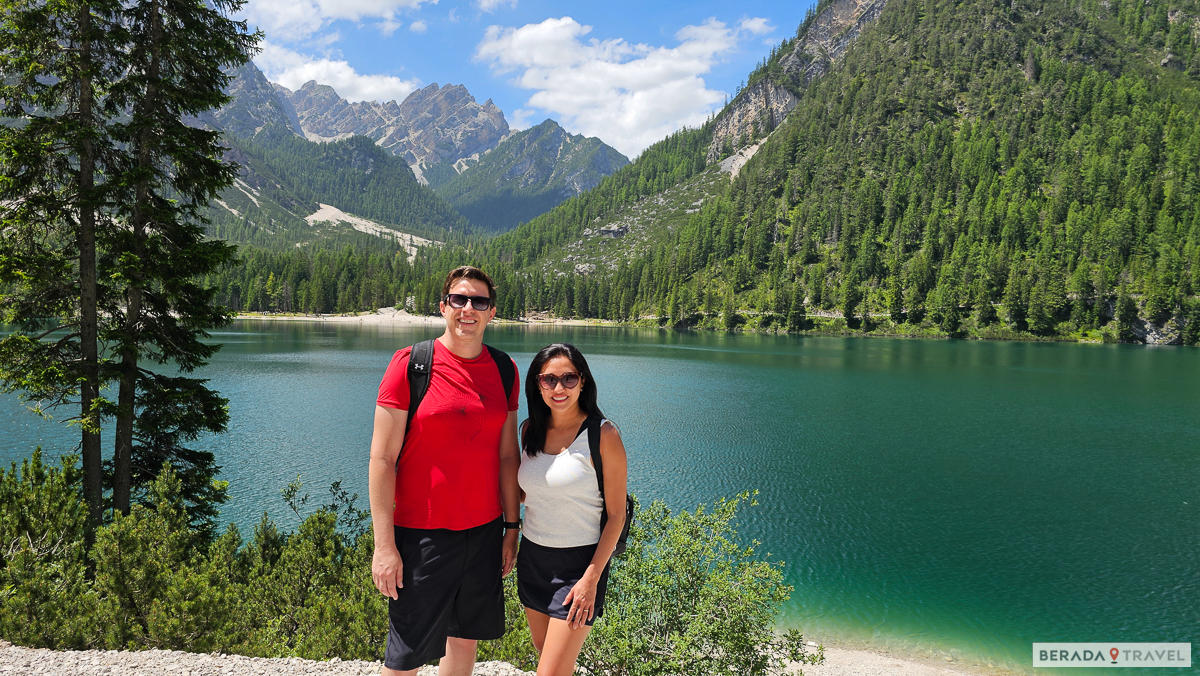
UNESCO World Heritage Site: Dolomites
For more Italy travel tips, check out:
Tuscany Travel Guide: Best Places to Visit
Dolomites Travel Guide: Best Places to Visit in Italy
Venice Travel Guide: What to See, When to Go & How to Visit
If you want more tips like these, follow us on Instagram @beradatravel.
Did you know that when you book through the links on our blog, we earn a small commission, and you support us without paying anything extra? You get discounts and still help Berada Travel keep creating quality content about amazing destinations! Support us so we can keep inspiring travel lovers! ✈️ ❤️